All 94 dates and mint marks, by decade
94 listings · Carson City, New Orleans, Philadelphia & San Francisco mints
Our inventory changes daily. Because precious metals markets move throughout the day, pricing is confirmed by phone at the moment of purchase, so you always receive an accurate, current quote.
1878–1879 · The First Morgans
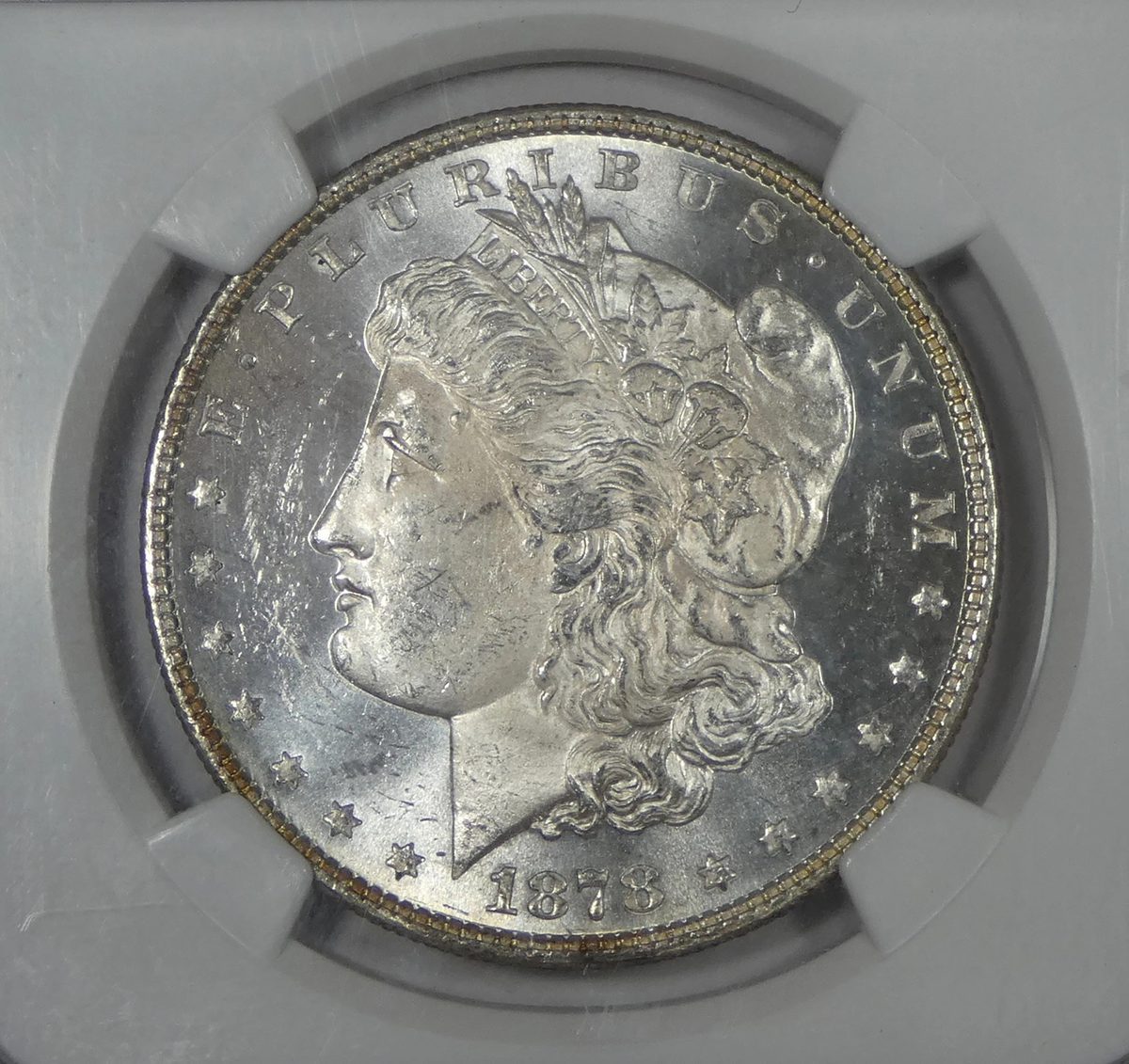
1878 8 Tail Feathers
The first Morgan design of all. When production began in March 1878, George T. Morgan's eagle carried eight tail feathers, and dollars poured off the Philadelphia presses for only a matter of weeks before officials ruled that heraldic tradition demanded an odd number. The dies were corrected to seven, making every 8TF dollar a surviving first draft of the entire series. Diagnostic: turn the coin over and count the central tail feathers below the eagle; eight distinct feathers, and you are holding the beginning of the Morgan story.
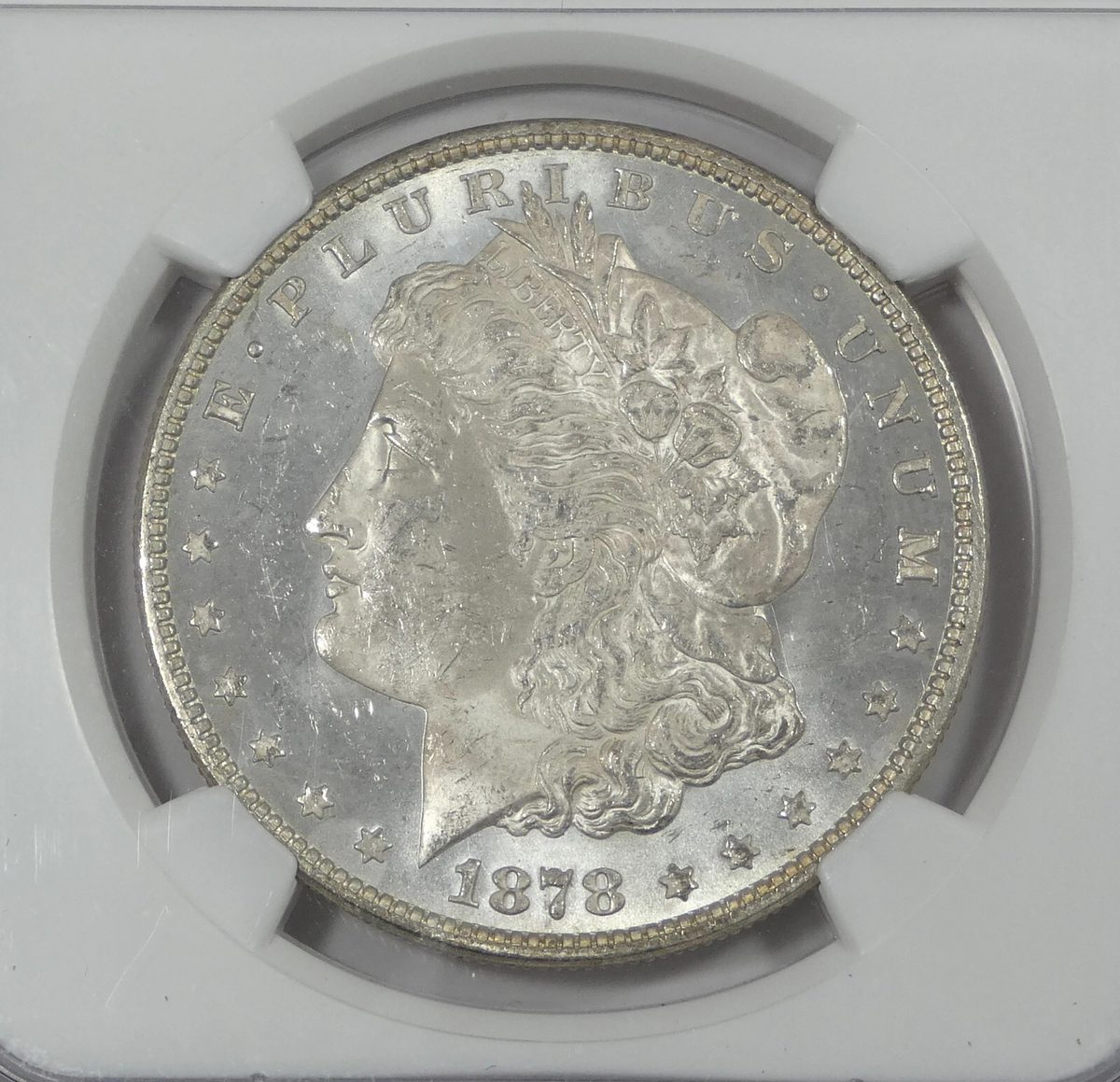
1878 7 Over 8 Tail Feathers
The correction caught in the act. Rather than scrap serviceable 8TF reverse dies, the Mint impressed the new seven-feather design directly over them, and the tips of the buried extra feathers still protrude beneath the seven on every coin those dies struck. Collectors grade the drama by counting the visible underlying tips, with the strongest examples showing several peeking out in a row. Diagnostic: look immediately below the seven tail feathers for small extra feather-tips emerging beneath, the unmistakable shadow of the abandoned design.
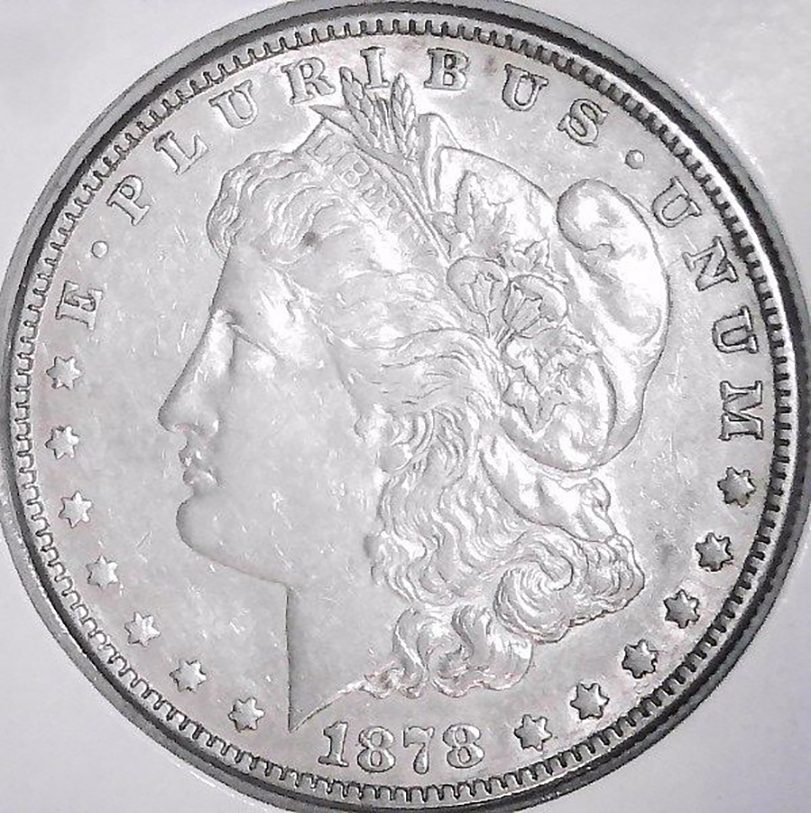
1878 7TF, Reverse of 1878
The second design of the year: seven tail feathers paired with the original reverse styling, identified by a flat, slightly concave eagle's breast and a top arrow feather cut parallel to the shaft. This is the reverse the Mint used while still standing closest to Morgan's first vision. Diagnostic: check the arrow feathers in the eagle's left talon; if the topmost feather runs parallel rather than slanting across, and the breast lacks fullness, you have the Reverse of 1878.
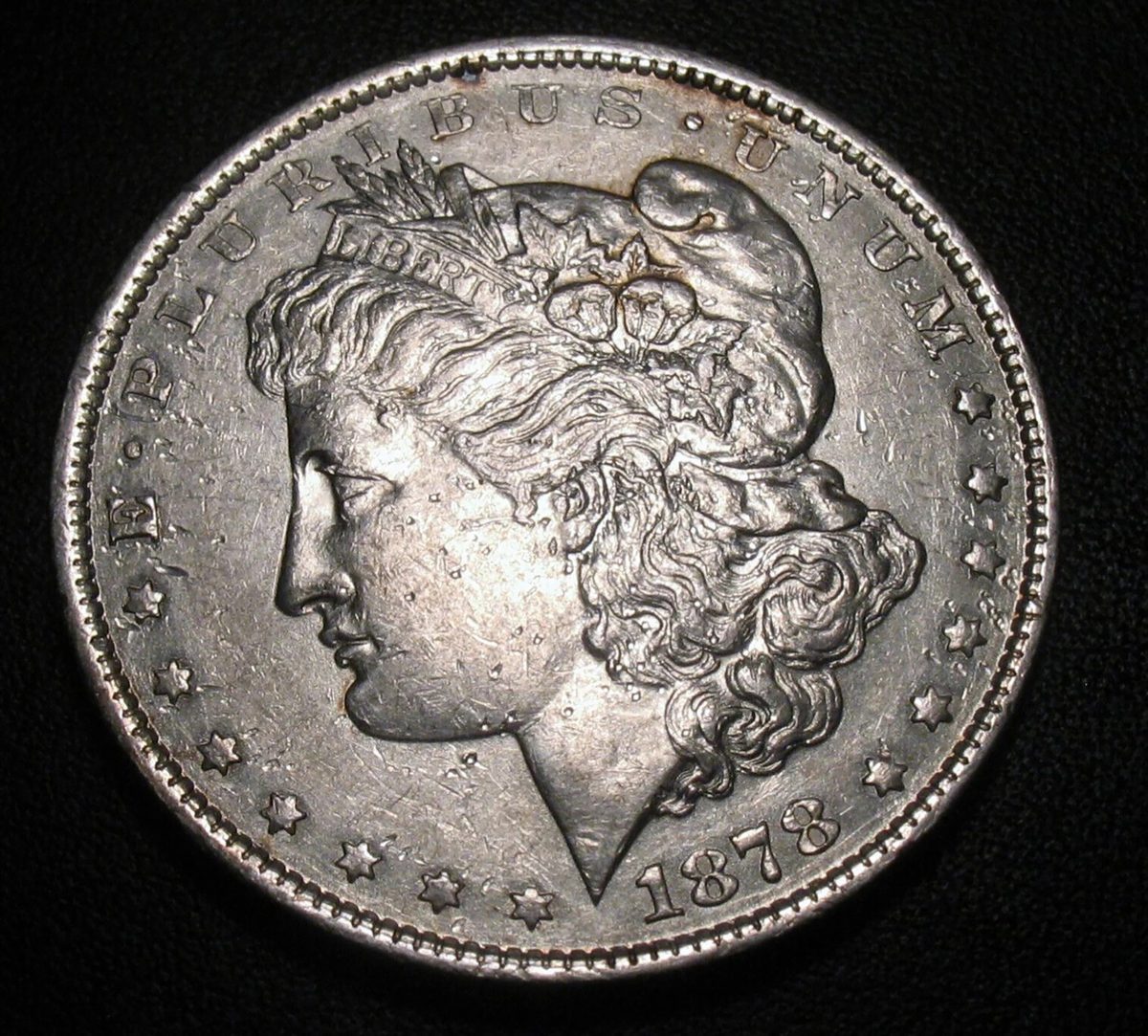
1878 7TF, Reverse of 1879
The third and final reverse of the year, and a preview of the series' future: the eagle's breast becomes rounded and full, and the top arrow feather slants distinctly across the shaft. These dies represent the design that would carry the Morgan through 1904 and 1921, struck a year early. Diagnostic: the slanted top arrow feather and convex breast, on a coin dated 1878, mark a transitional issue struck as the Mint refined its eagle in real time.
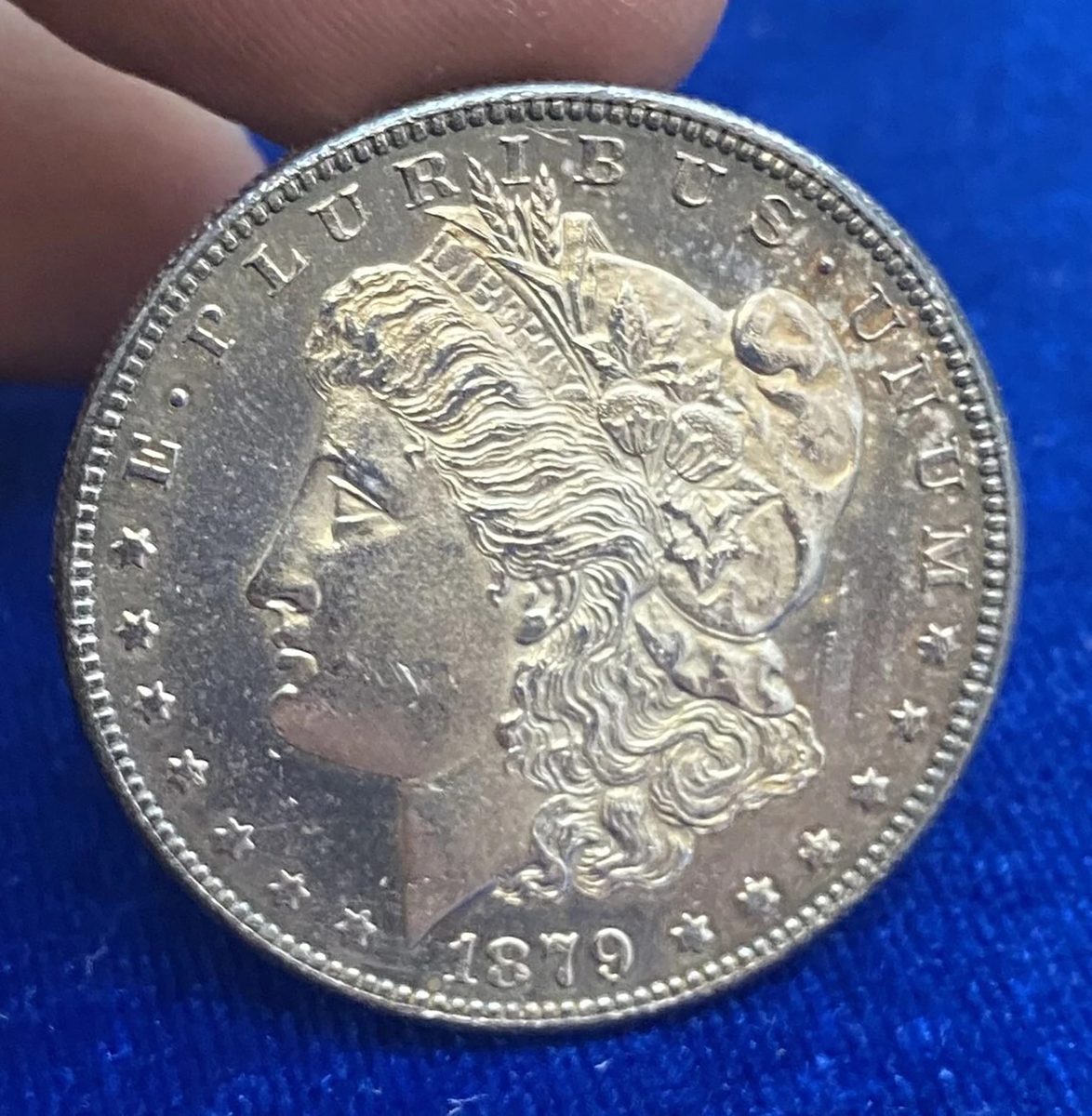
1879-S Reverse of 1878
San Francisco opened 1879 with leftover 1878-style reverse dies in its press room, and a portion of the year's coinage carries the obsolete parallel arrow feather and flat breast. The result is two structurally different coins sharing one common date, and only one of them is the variety. Diagnostic: on any 1879-S, check the top arrow feather; parallel means the scarcer Reverse of 1878, and it is exactly why variety hunters refuse to pass an 1879-S without flipping it over.
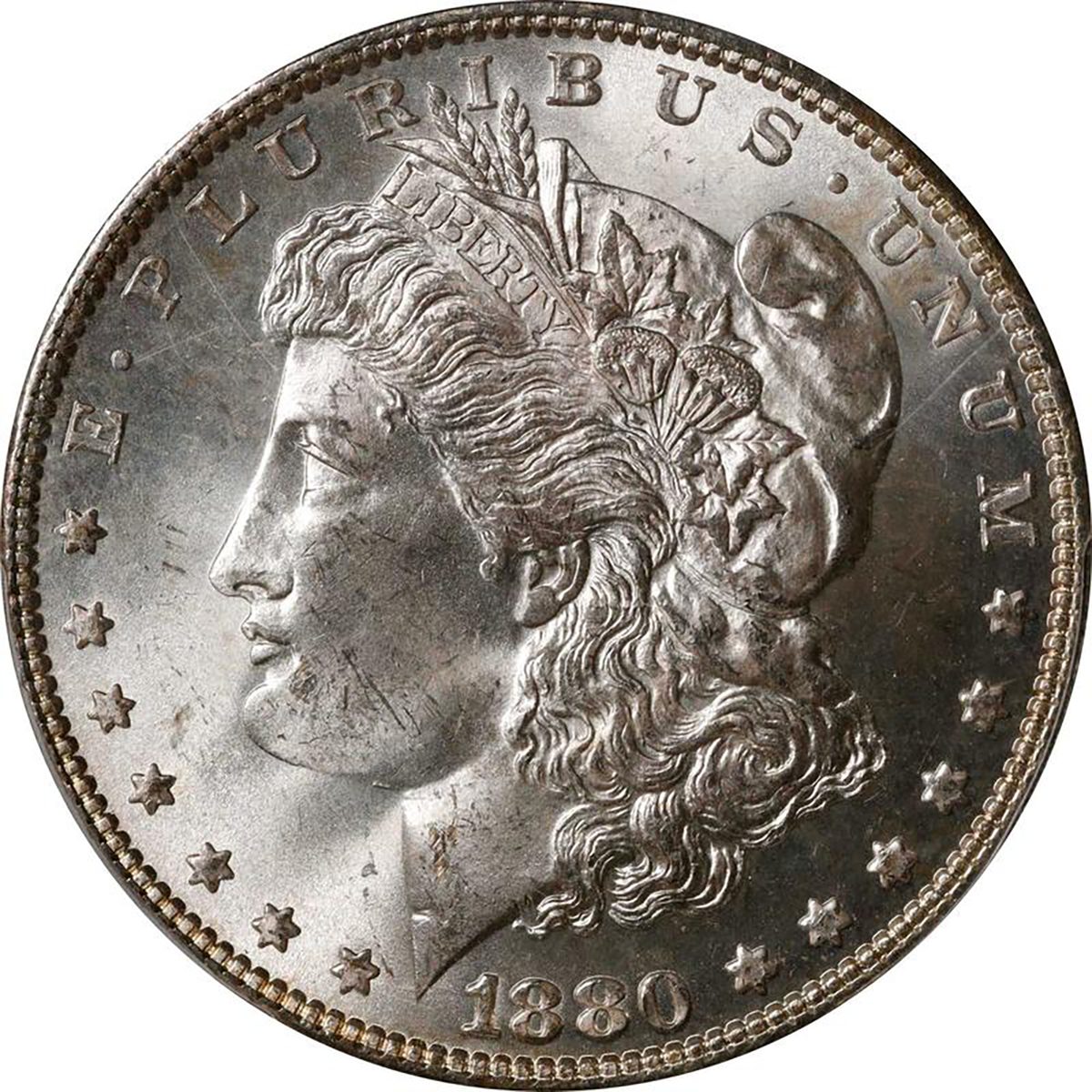
1880/79 Overdate
Philadelphia entered 1880 holding usable dies dated 1879, so the date was re-punched with the new year over the old, and traces of the underlying 79 survived the operation. Cataloged across multiple VAM listings, these overdates are the working thrift of a 19th-century mint made permanent. Diagnostic: under magnification, examine the 8 and 0 of the date for remnants of the earlier digits, small crossbars, curves, and shadows of a year that was never fully erased.
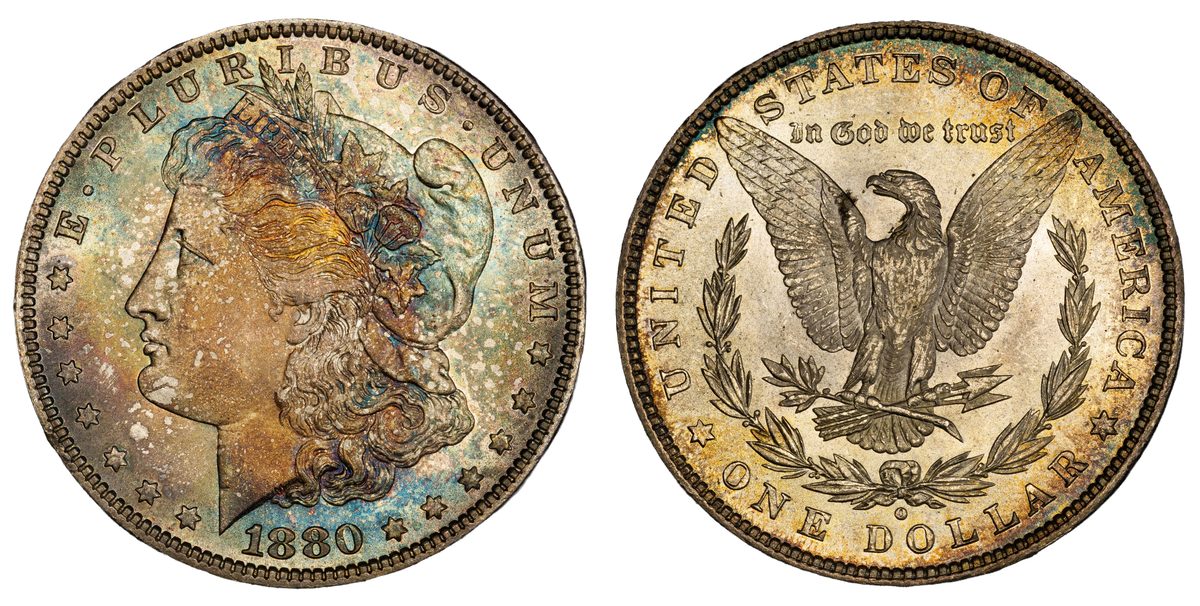
1880-O 80/79 Overdate
New Orleans performed the same recycling as Philadelphia in 1880, punching the new date over 1879-dated dies and leaving its own cataloged family of overdate VAMs. The Southern mint's softer strikes make sharp examples especially satisfying finds. Diagnostic: magnify the final two digits of the date and look within and beneath the 8 and 0 for the ghostly elements of a 7 and 9, two years of mint work stacked into a single date.
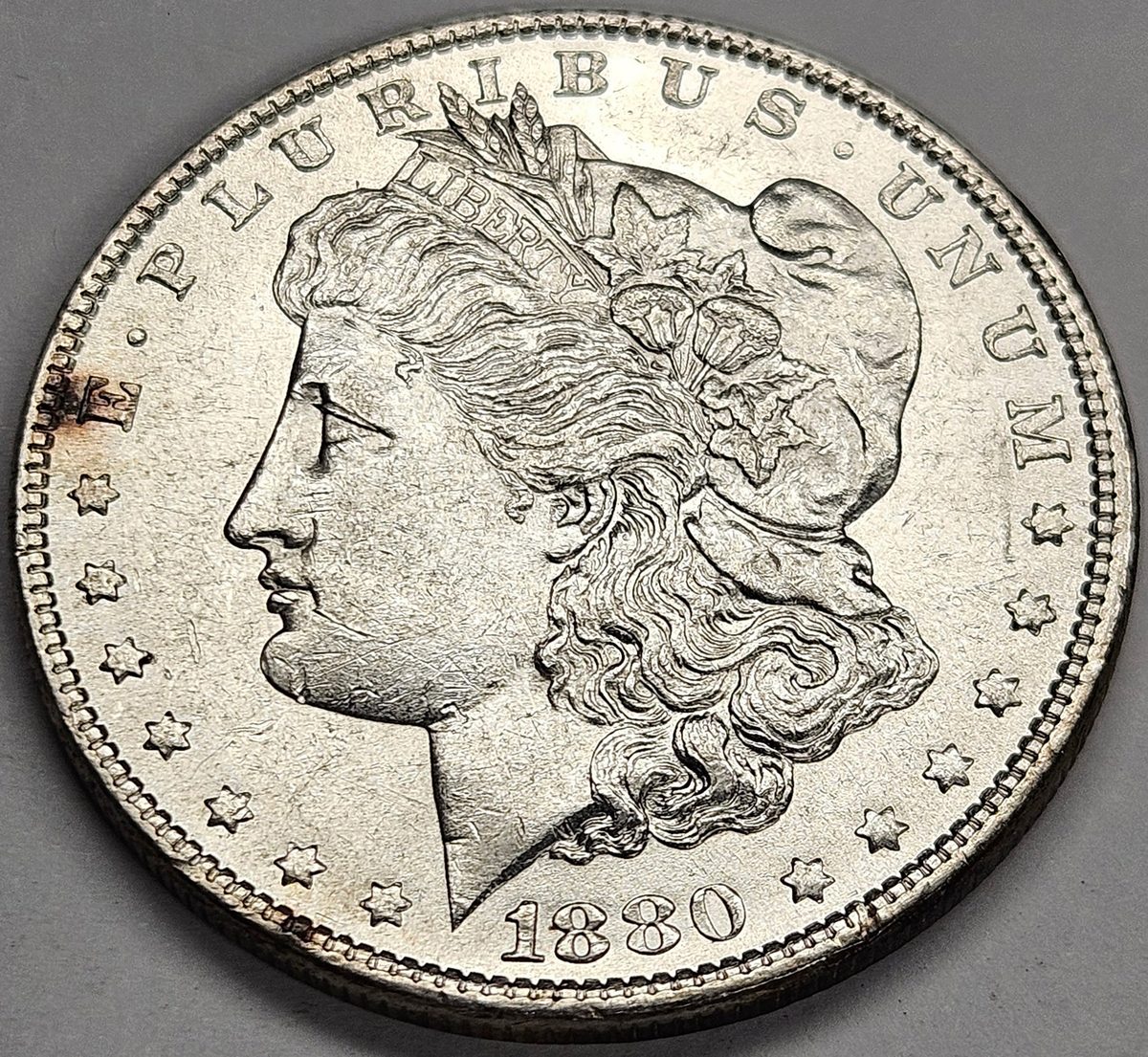
1880-O Micro O
A portion of 1880-O production was struck from dies bearing a conspicuously undersized o, applied with a mintmark punch far smaller than the standard punch of the year. Because mintmarks were hand-punched into each individual die, one small punch created an entire hunted variety. Diagnostic: compare the o beneath the eagle to any ordinary 1880-O; the micro punch is unmistakably tiny within the space the normal O would fill.
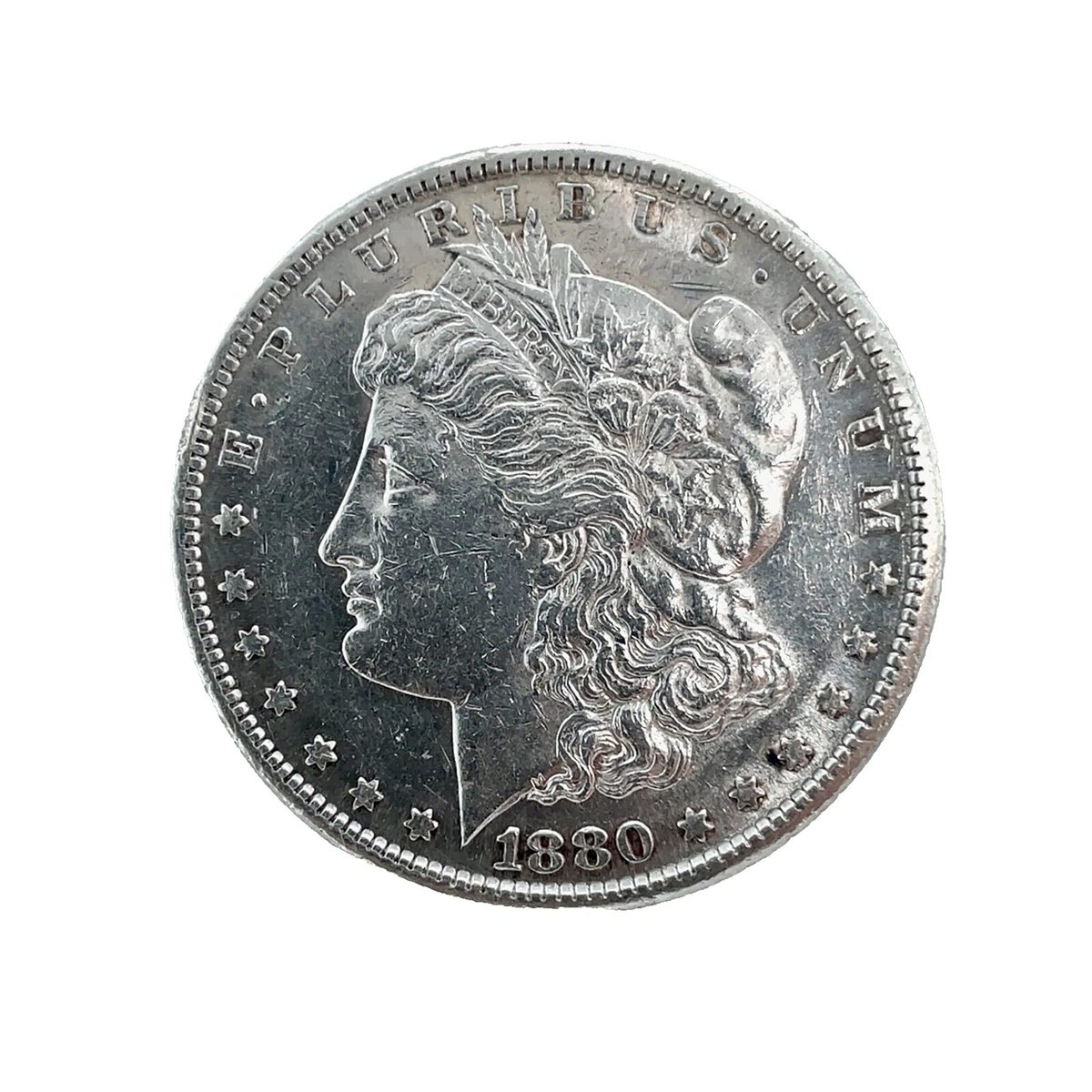
1880-S Large S
San Francisco's 1880 dies were marked with mintmark punches of more than one size, and the large S variety fills its space boldly compared to the year's medium and small punches. It is the kind of same-year, same-mint distinction that turns a common date into a study set. Diagnostic: the large S sits noticeably taller and heavier beneath the wreath bow; side-by-side with a medium S, the difference reads instantly.
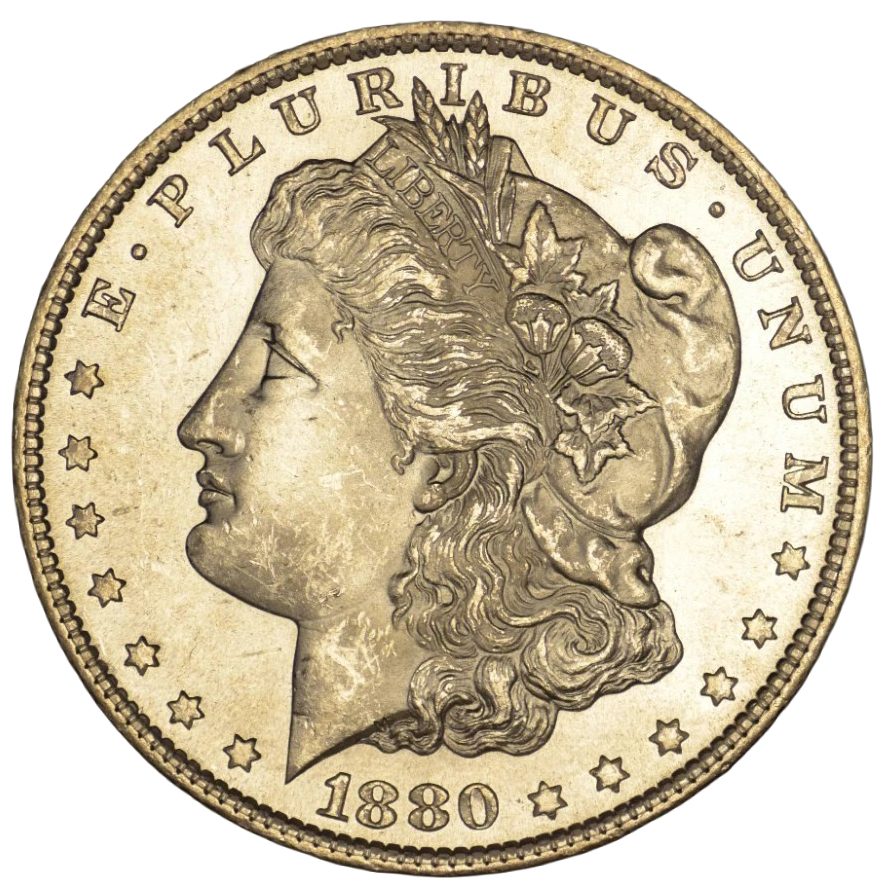
1880-S Overdates & Doubled Varieties
The 1880-S is one of the great hunting grounds of the series: cataloged VAMs include 0-over-9 overdate remnants in the date and an assortment of repunched and doubled features from reworked dies. Because so many 1880-S dollars survived in uncirculated condition inside bank bags, these varieties can be found in preservation most dates only dream of. Diagnostic: study the interior and edges of the final 0 for traces of an underlying 9, and sweep the date and mintmark for doubling under a loupe.
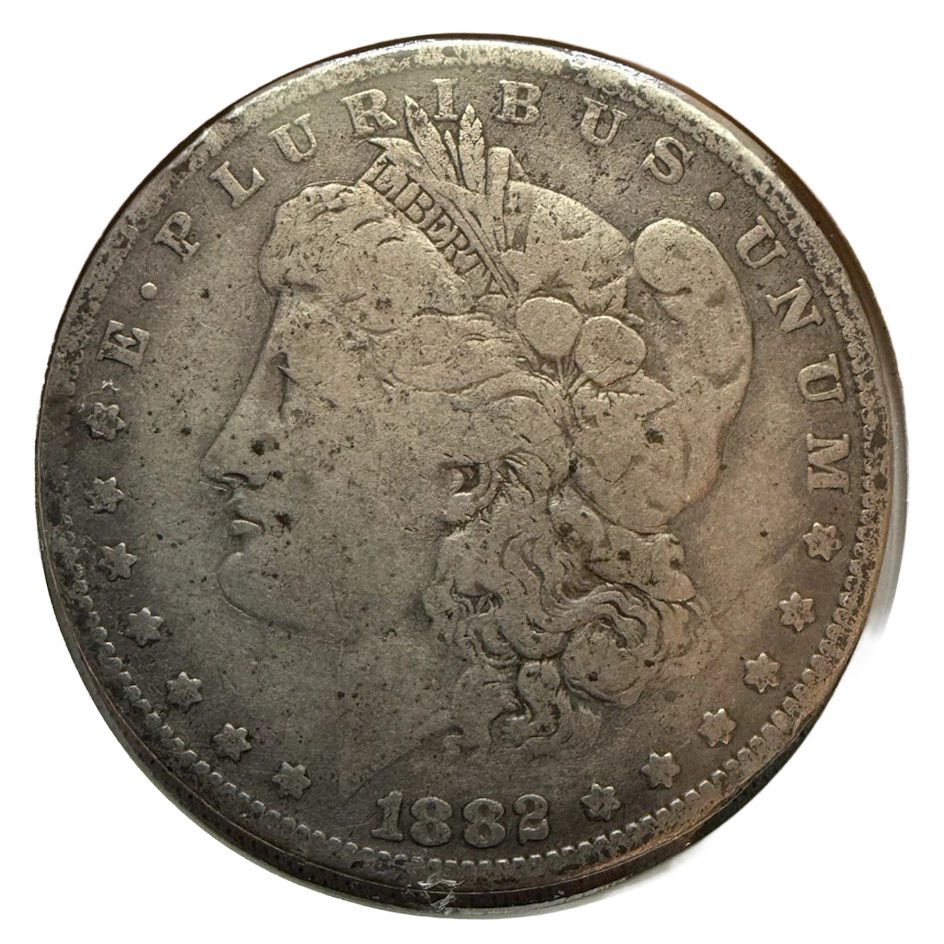
1882-O/S Overmintmark
Reverse dies prepared and S-punched for San Francisco were diverted to New Orleans and re-punched with an O, leaving the original S entombed within the new mintmark. The variety comes in a famous family of cataloged VAM states, from an S plainly visible inside the O to later die stages where it fades toward a shadow. Diagnostic: magnify the mintmark and look inside the opening and along the edges of the O for the serifs and curve of the buried S, two mints' fingerprints pressed into one coin.
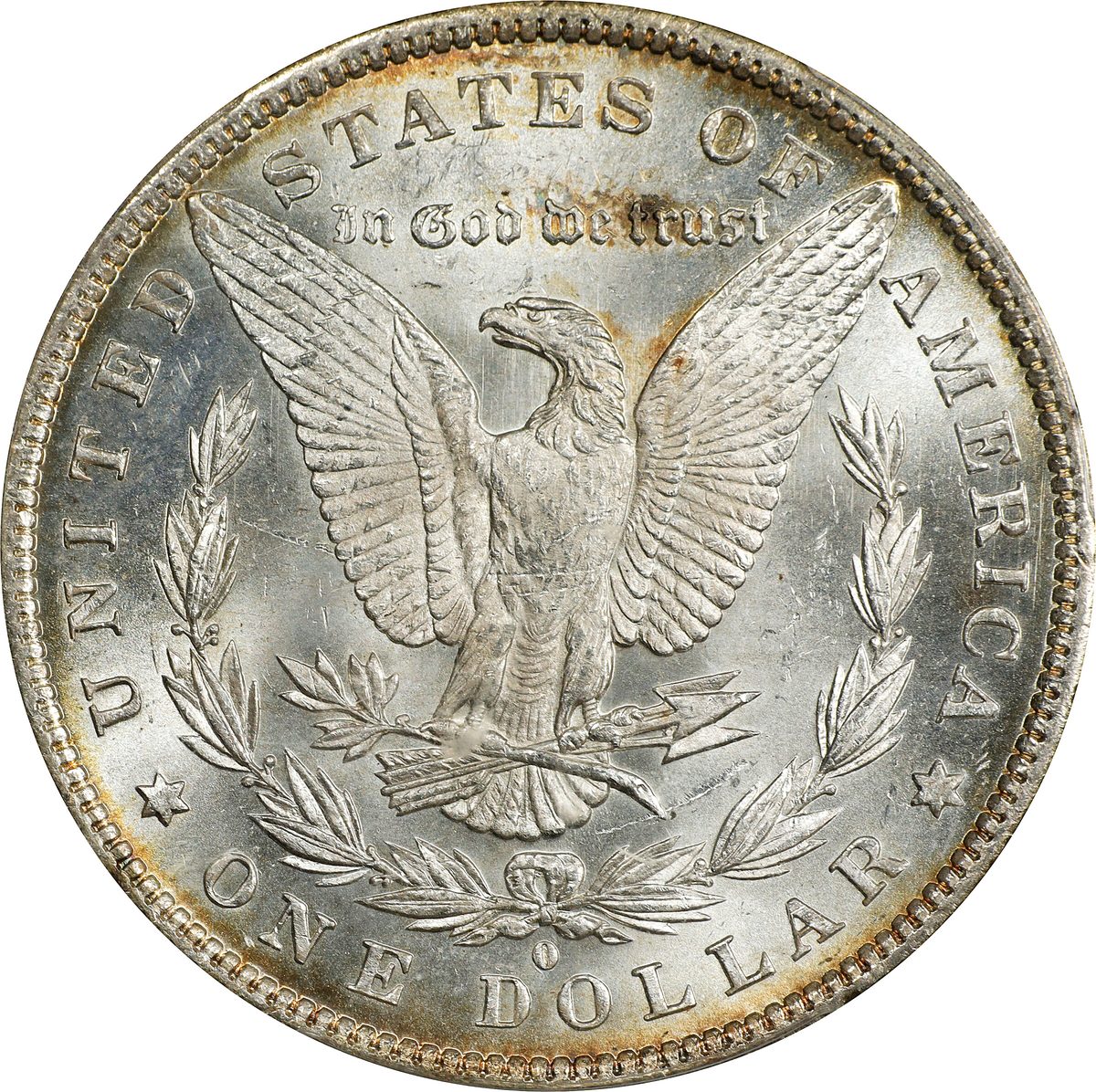
1883-O O/O Repunched Mintmark
The New Orleans mintmark was punched into the die, judged imperfectly placed, and punched again, leaving a doubled O over O that every coin from that die faithfully repeats. Repunched mintmarks are the visible hand of the die shop, small human adjustments preserved by the millions. Diagnostic: examine the O beneath the wreath bow for a second, offset rim of the letter, typically peeking from one side like an echo.
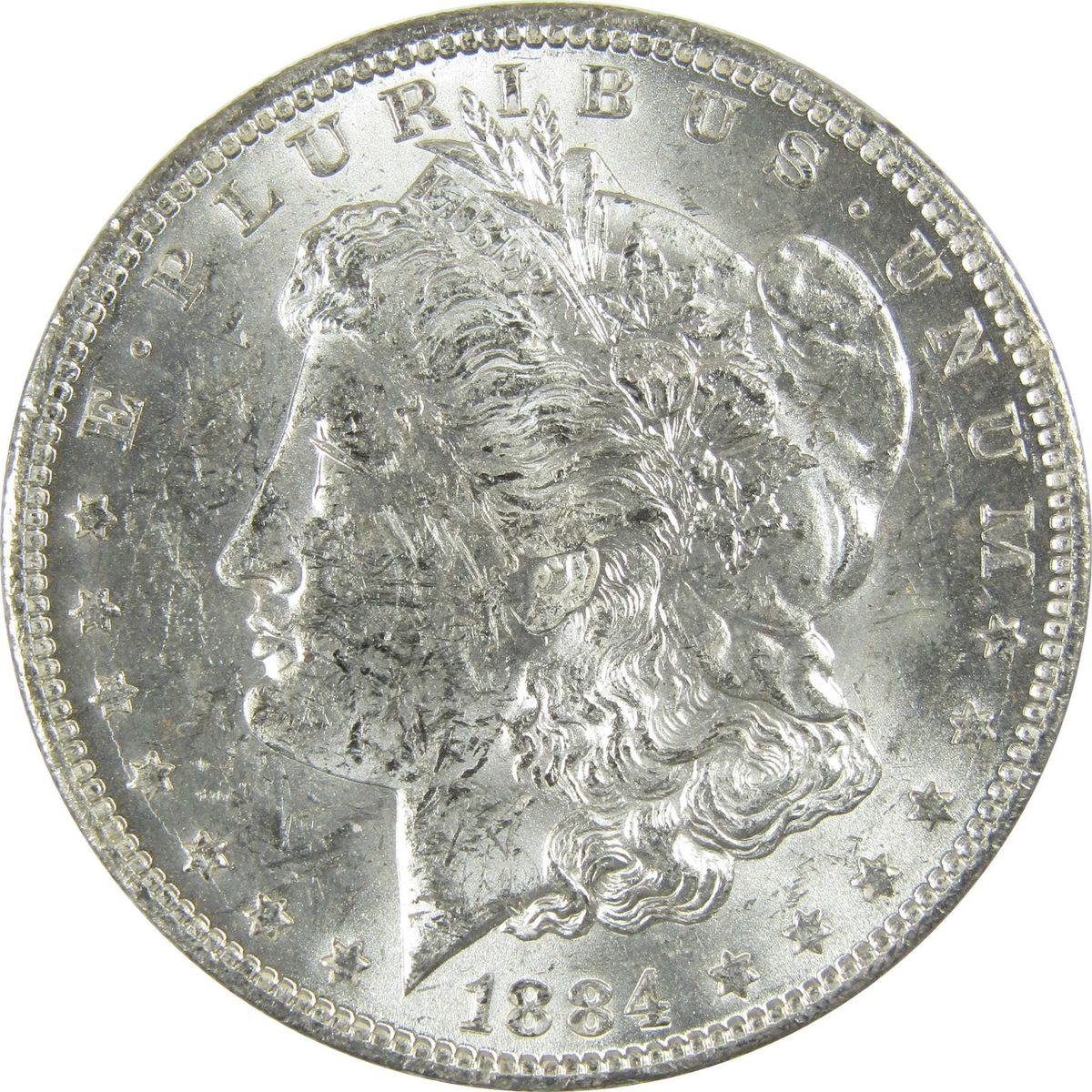
1884-O O/O Repunched Mintmark
Another New Orleans die received its O twice, slightly misaligned, creating one of the several cataloged repunched-mintmark VAMs of 1884-O. High-grade examples abound thanks to the Treasury hoards, making this a favorite first repunched mintmark for new variety hunters. Diagnostic: under magnification, the mintmark shows a doubled outline, part of an earlier O emerging from beneath the final placement.
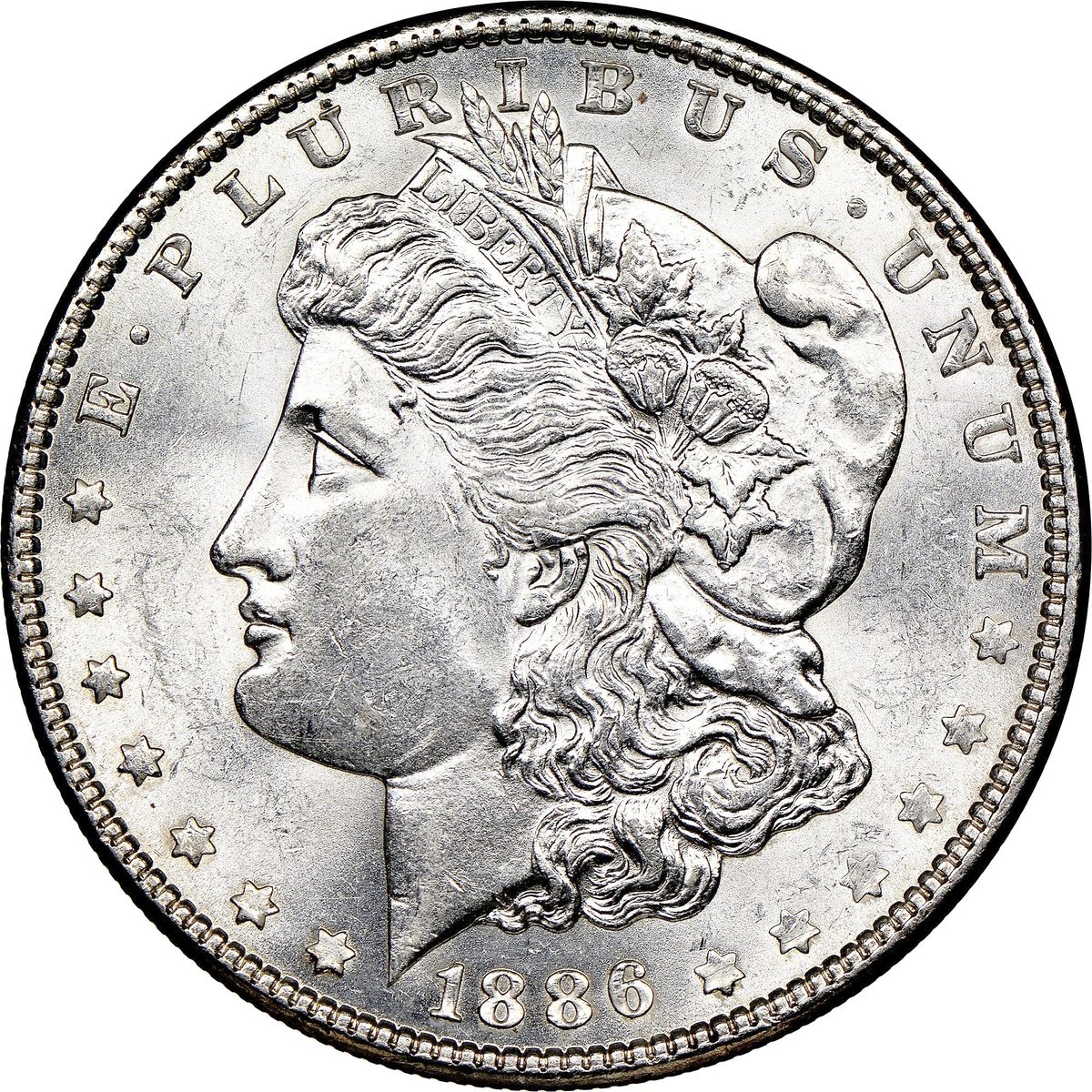
1886 Doubled Date Varieties
Several 1886 Philadelphia dies show repunched and doubled digits in the date, cataloged among the year's VAM listings. In an era when each digit was driven into the die by hand, a second tap of the punch, however slight, became a permanent variety. Diagnostic: sweep the date under a loupe for doubled edges and shadows on the digits, strongest where the punch shifted between blows.
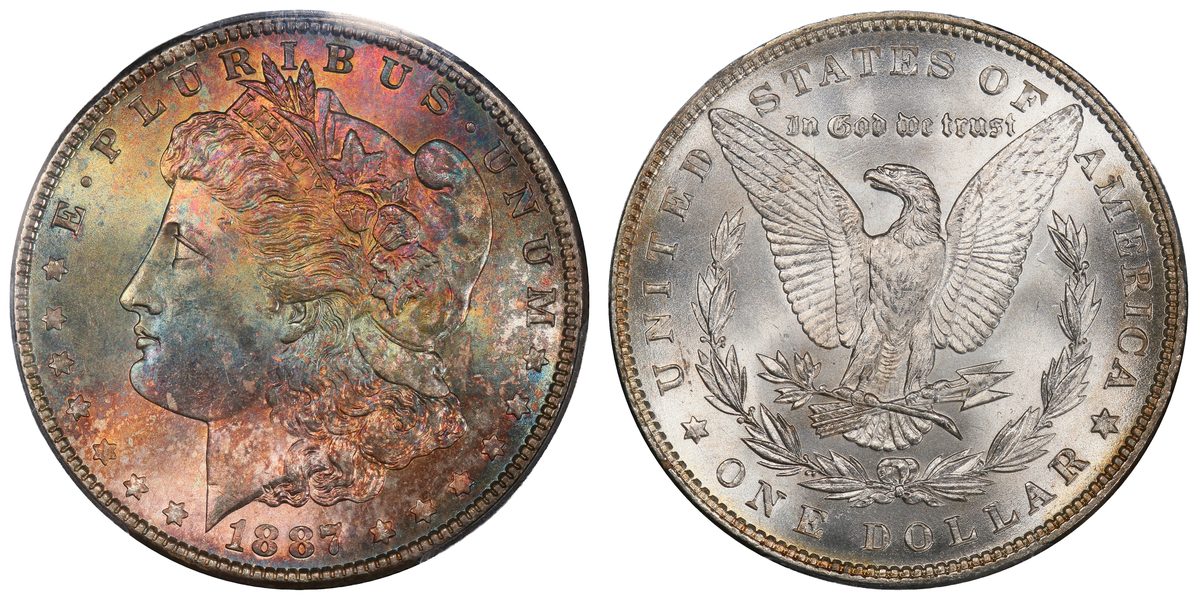
1887 “Alligator Eye” (VAM-12A)
One 1887 die suffered a gouge running through Liberty's eye, narrowing her gaze into something reptilian, and the nickname collectors coined for it became one of the most beloved in the entire VAM catalog. Die damage, ordinarily a flaw, here created a face no other Morgan wears. Diagnostic: examine Liberty's eye for the raised die-gouge line crossing it; once seen, the alligator stare is impossible to unsee, and impossible to forget.
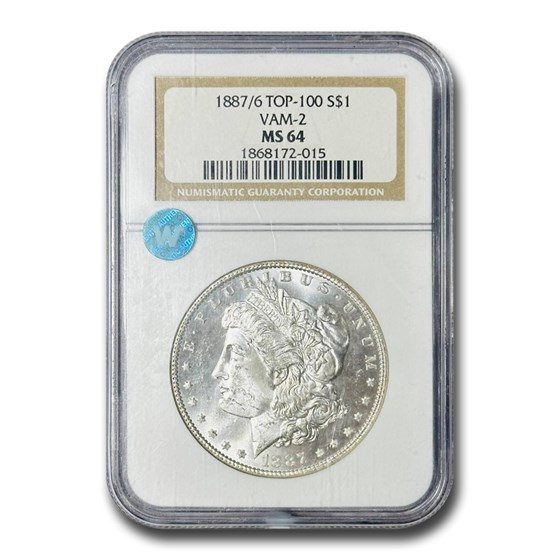
1887/6 Overdate (VAM-2)
An 1887 die began life dated 1886, and the re-punched date left the loop of the underlying 6 clearly visible beneath the 7, cataloged as VAM-2 and joined by doubled-date relatives across other 1887 dies. It is among the most dramatic overdates in the series, readable even without strong magnification on nice examples. Diagnostic: look at the base and left of the 7 for the curling loop of the buried 6, the Gilded Age correcting its own calendar.
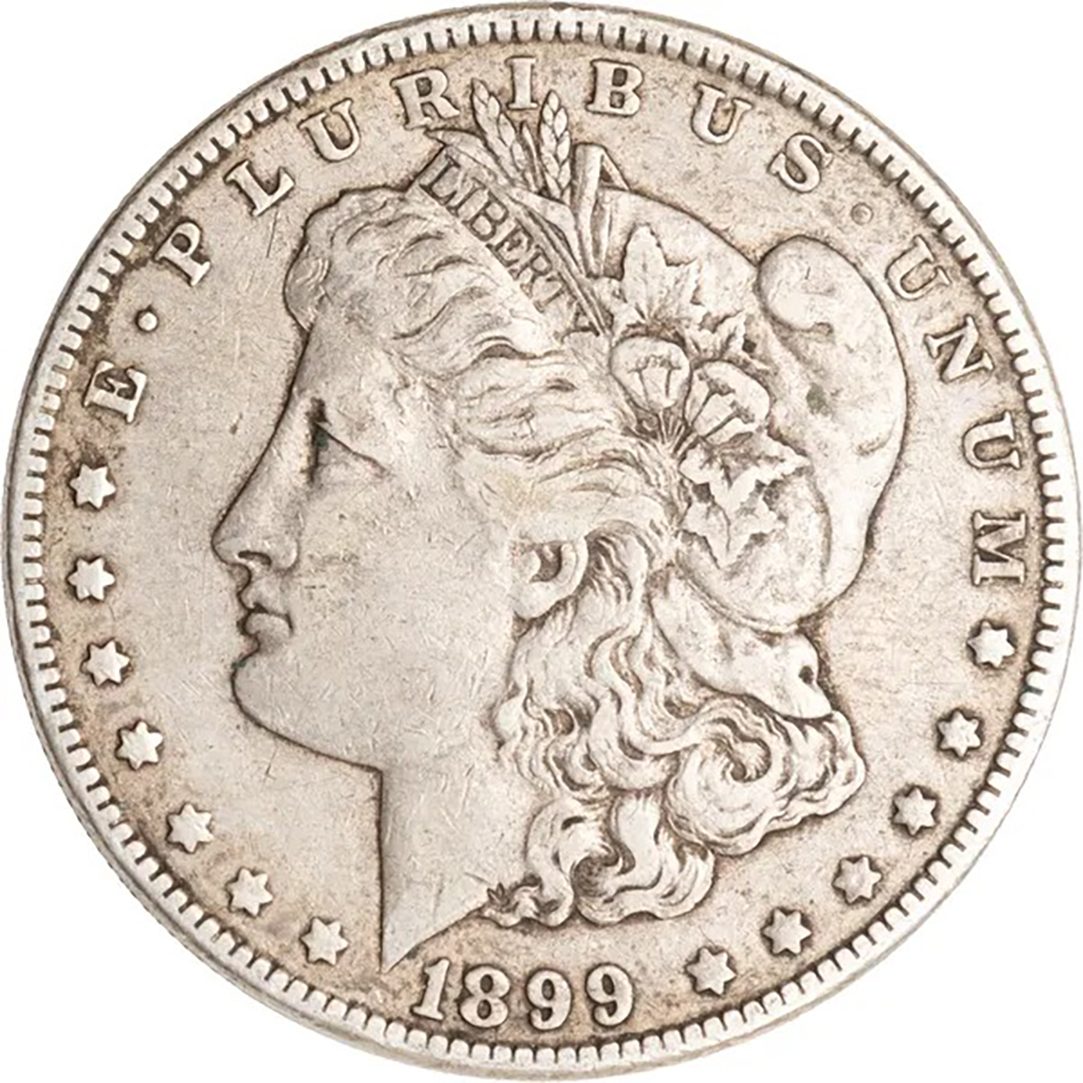
1899-O Micro O
A small family of cataloged 1899-O VAMs was struck from dies bearing a dramatically undersized o punch, and the variety became one of the most famous micro mintmarks in American coinage. An essential honest note: this variety has been extensively counterfeited, particularly in higher grades, and third-party certification is not optional here, it is the standard. Diagnostic: the o sits tiny within its space beneath the bow; but for this date above all, let PCGS or NGC confirm what your loupe suspects, and ask us to walk you through it.
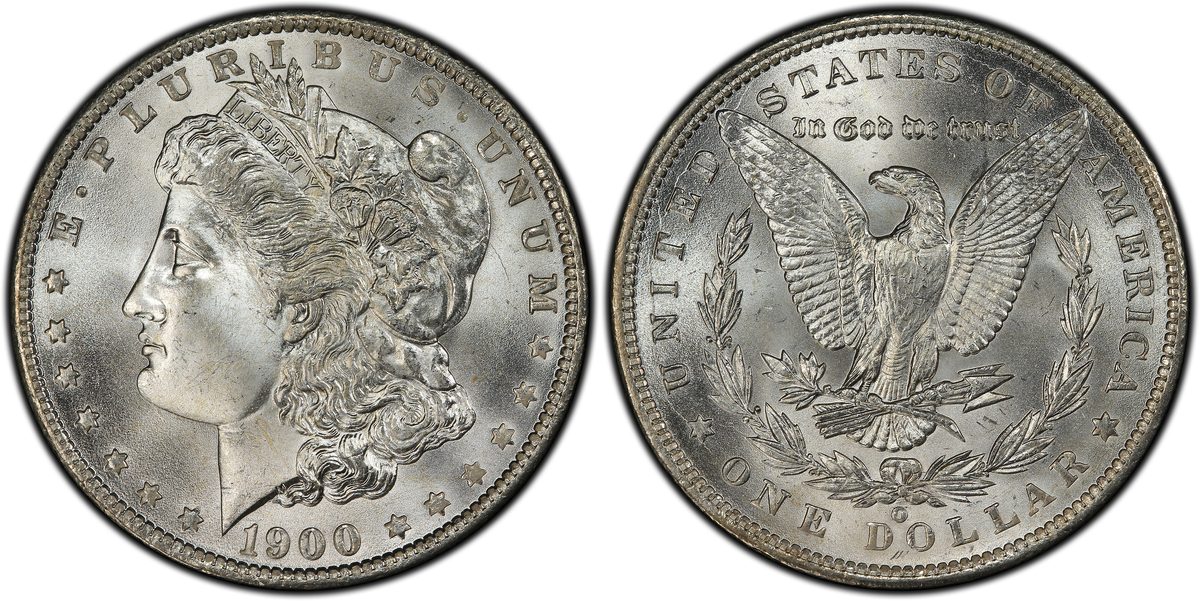
1900-O/CC Overmintmark
The most historic overmintmark in the series. When the Carson City Mint's coining days ended, its unused CC reverse dies were shipped to New Orleans, re-punched with an O, and pressed into service, and the ghost of Carson City still shows beside and beneath the O across a family of cataloged VAMs. Every example is, quite literally, the Old West smuggled into a New Orleans dollar. Diagnostic: magnify the mintmark's flanks for the curved remnants of the buried C's emerging from either side of the O, the two-letter signature of a closed frontier mint refusing to disappear.
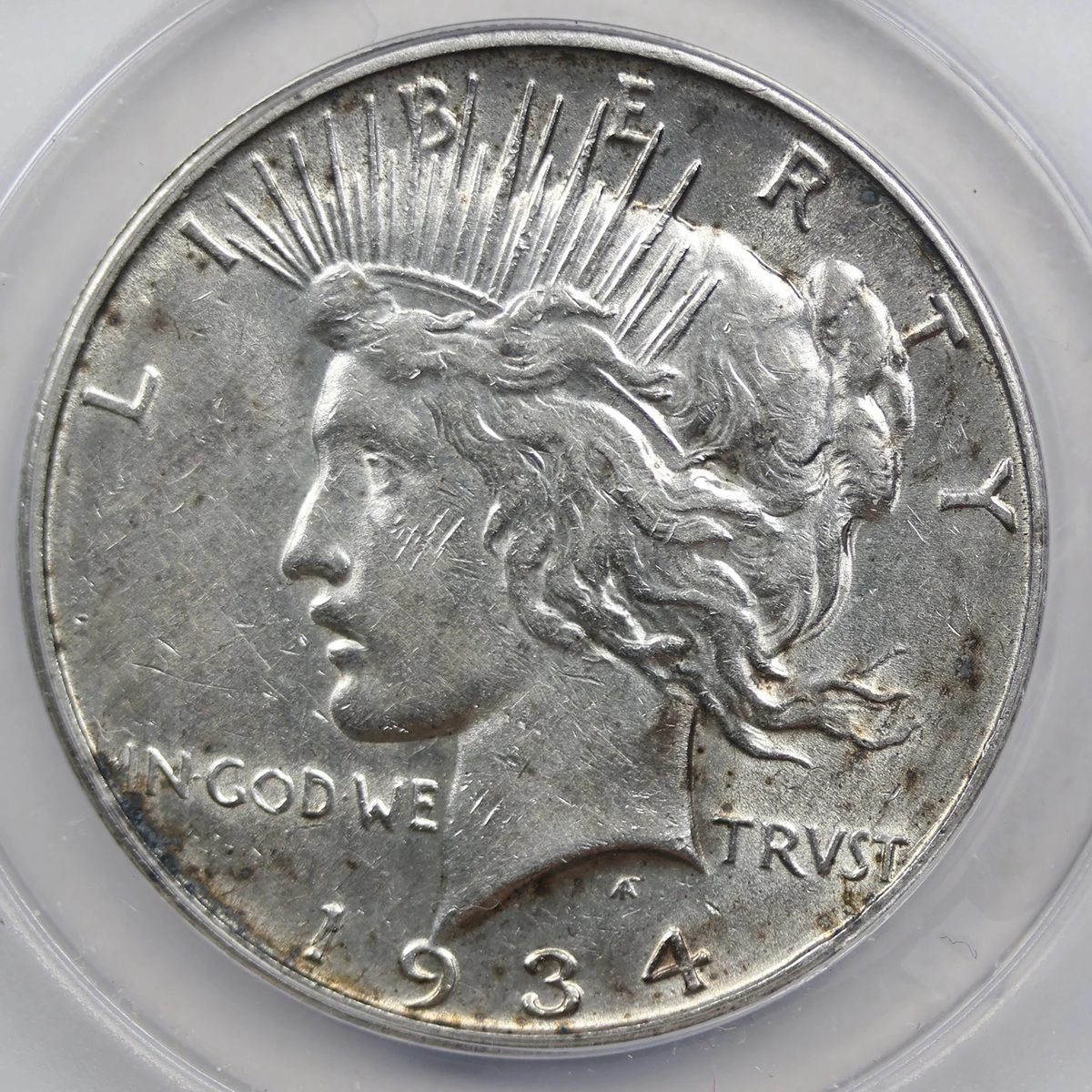
1934-D Peace, Small D
Denver marked its 1934 Peace Dollar dies with more than one size of D punch, and the small “micro” D stands clearly apart from the year's normal mintmark, a quiet variety riding on one of the series' important late dates. Diagnostic: find the mintmark tucked at the lower left of the reverse near the eagle, just below ONE; the small punch is distinctly petite against the space, obvious once compared with a standard D.
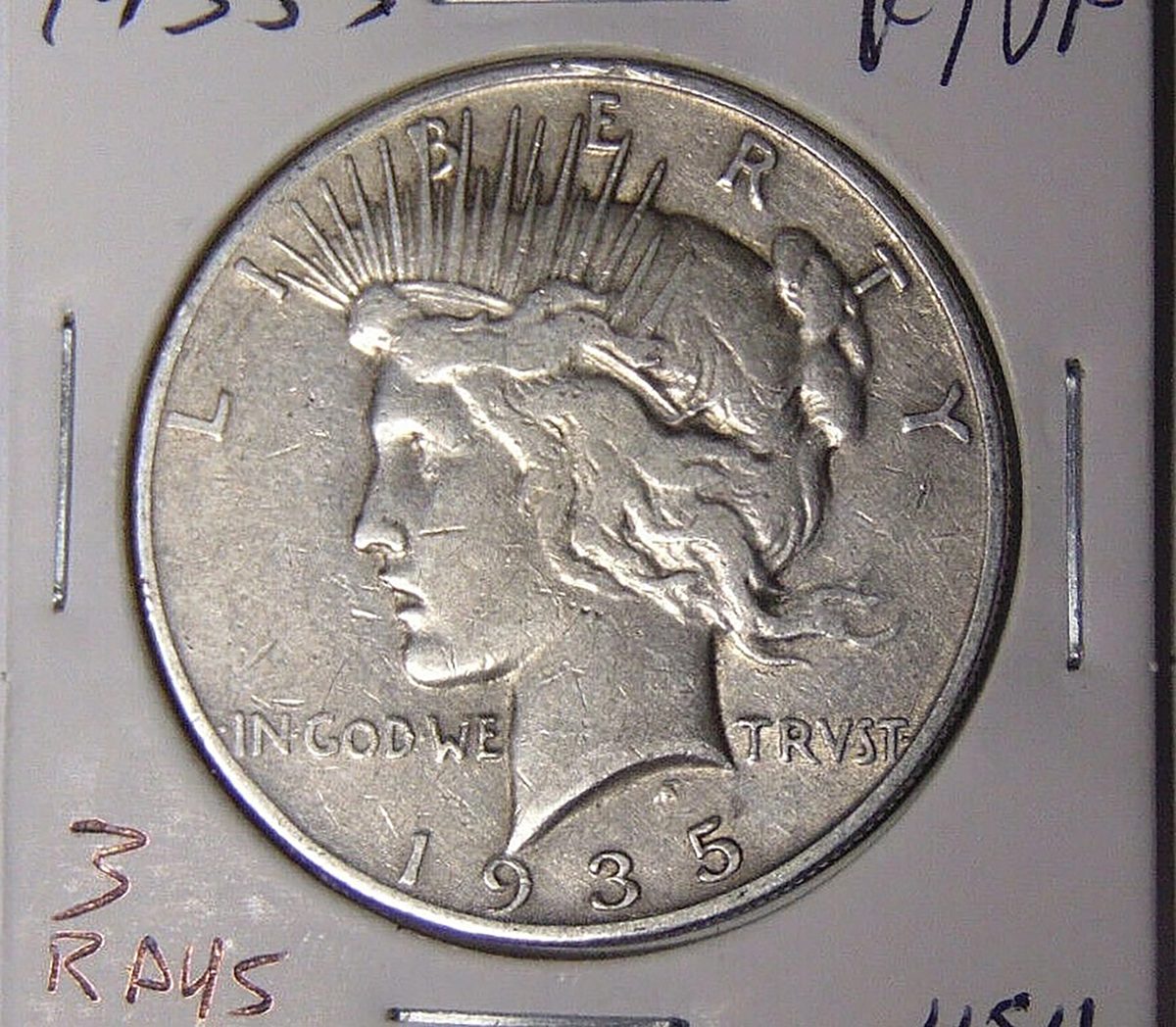
1935-S Peace, 3 Rays
In the Peace Dollar's final San Francisco year, the reverse came in two versions distinguished by the rays beneath the word ONE: the earlier die style shows three. It turns every 1935-S into a two-second treasure check, and completing both ray counts is a classic little quest within the series. Diagnostic: count the sun's rays directly below ONE on the reverse; three rays marks this variety.
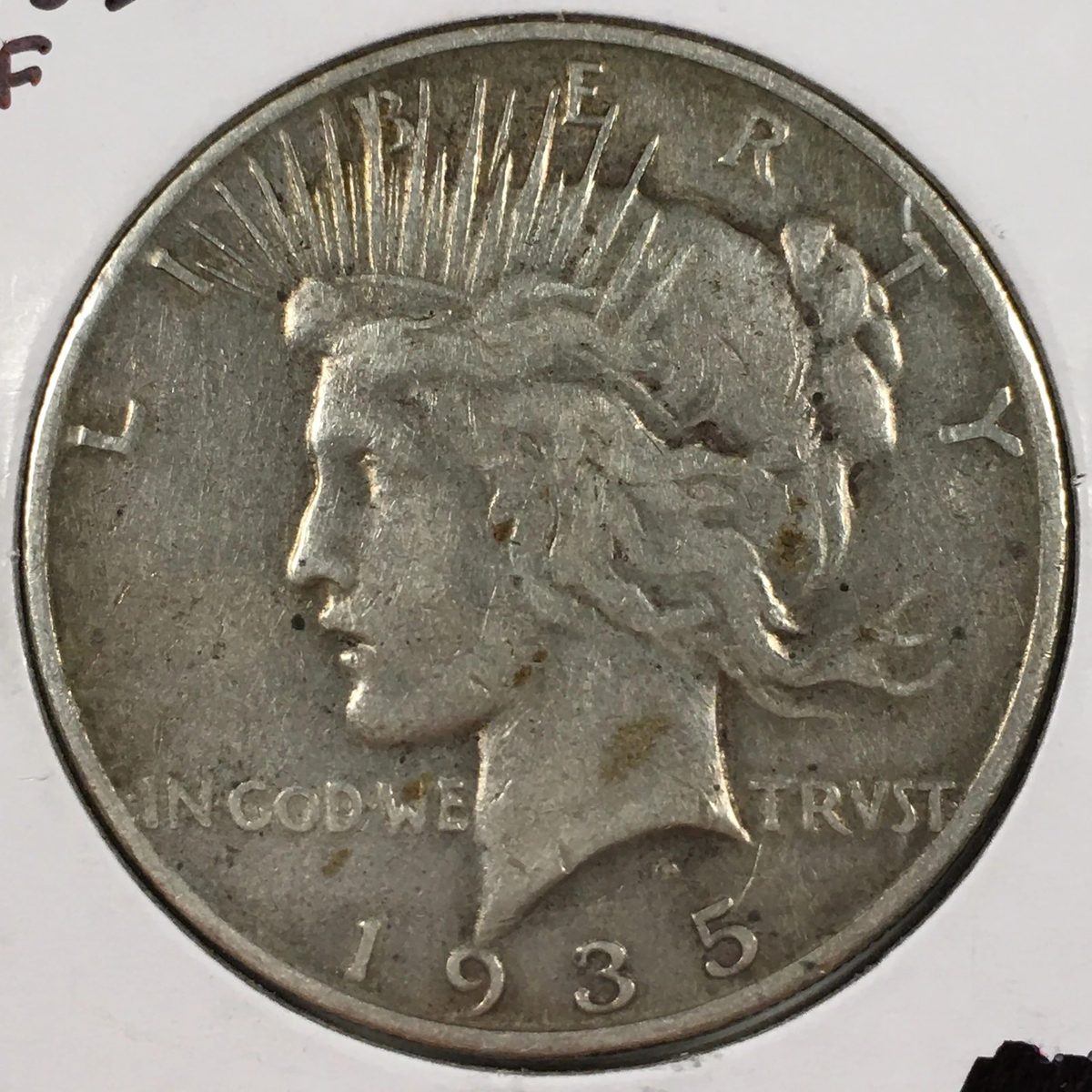
1935-S Peace, 4 Rays
The companion final-year variety: a revised reverse added a fourth ray beneath ONE, and both styles were struck side by side as the last circulating silver dollars left the San Francisco presses. Together with its three-ray sibling, it closes the Peace series with a built-in hunt. Diagnostic: four distinct rays beneath ONE identifies this die style, the sun gaining one last beam as the series set.