Coins recovered from 19 historic wrecks, each one a survivor of an actual voyage. Call for provenance details, certification, and current availability.
19 named wrecks · 1622 to 1865
Our inventory changes daily. Because precious metals markets move throughout the day, pricing is confirmed by phone at the moment of purchase, so you always receive an accurate, current quote.
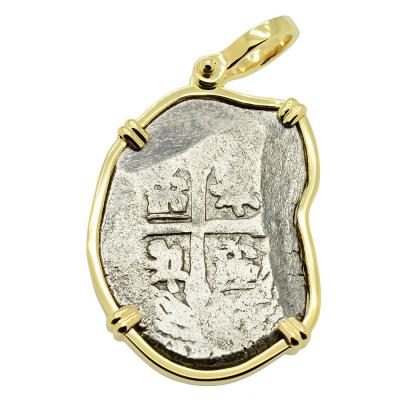
Spanish colonial treasure recovered from the fleet lost off Florida's east coast in 1715.
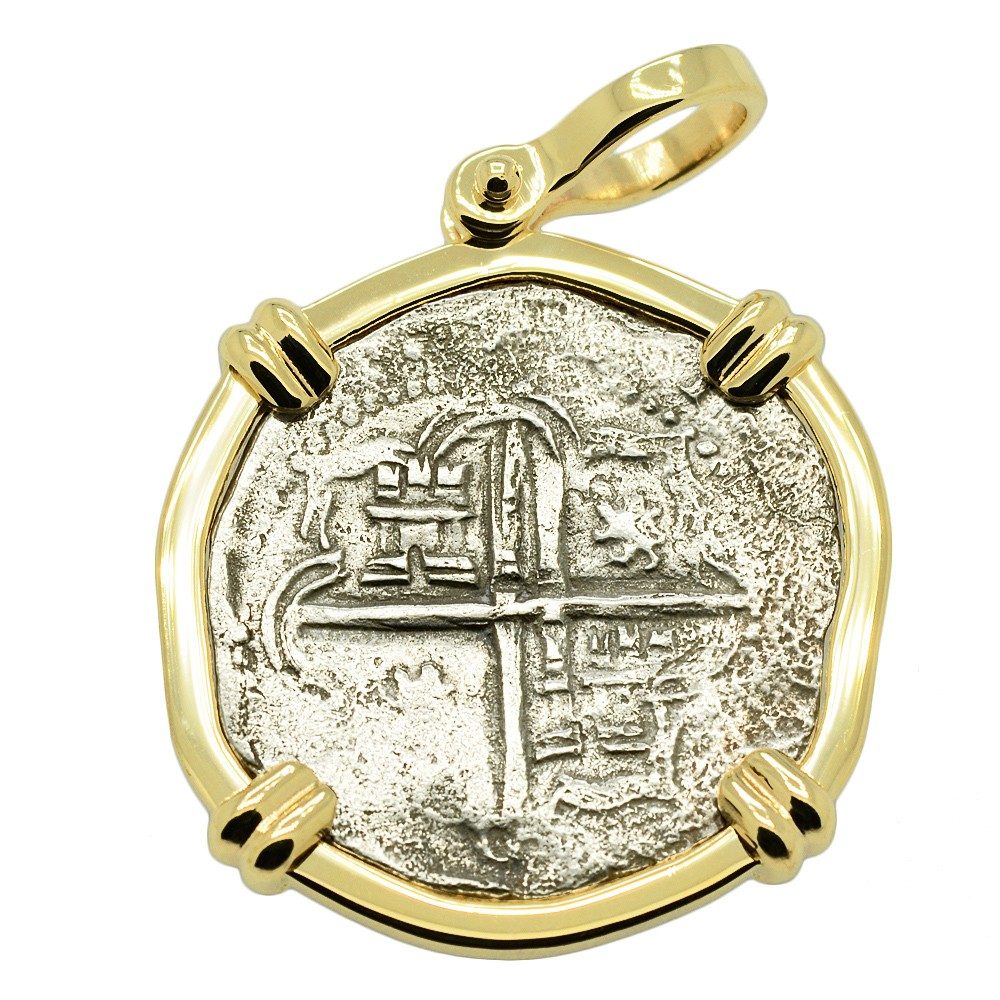
Recovered from the Nuestra Senora de Atocha, lost off the Florida Keys in 1622.
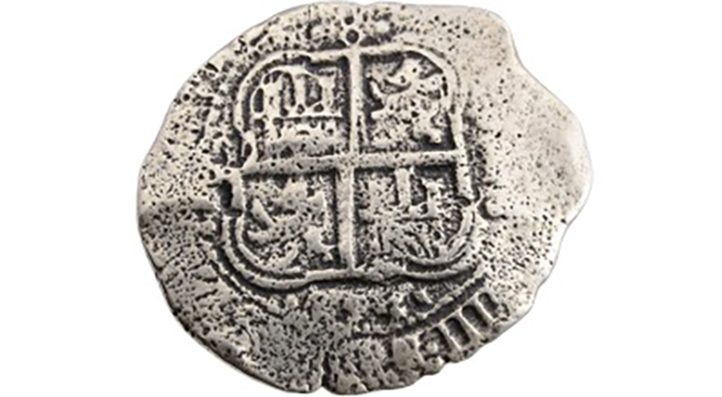
Silver recovered from the 1654 wreck of Spain's South Seas flagship off Ecuador.
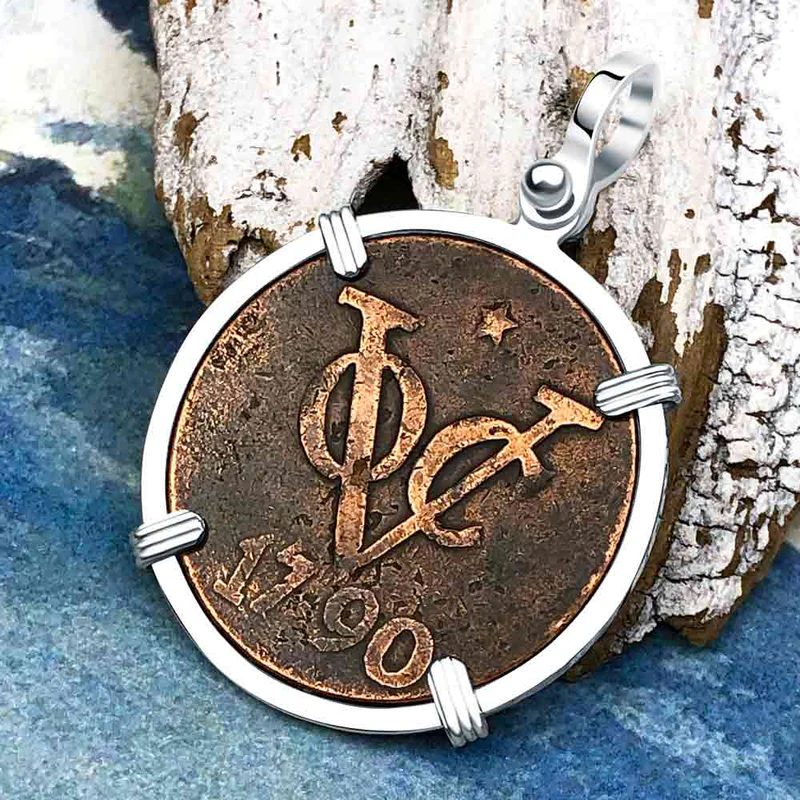
Trade coinage recovered from East India Company shipping routes.
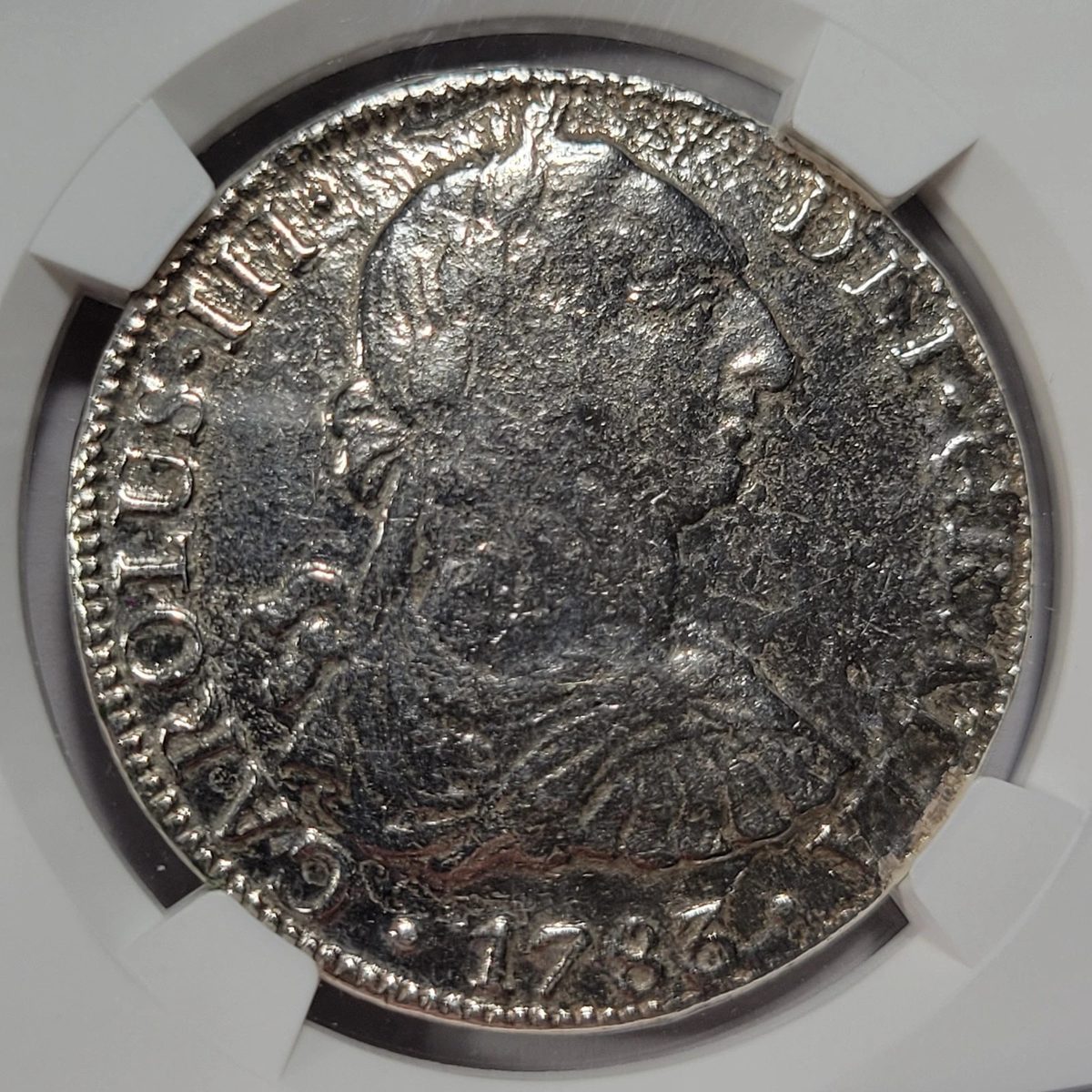
Recovered from the Spanish brig El Cazador, lost in the Gulf of Mexico in 1784.
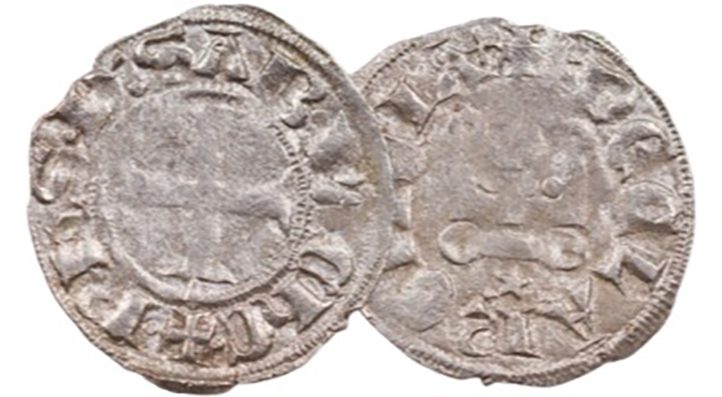
From the Dutch East Indiaman lost in the South China Sea in 1752.
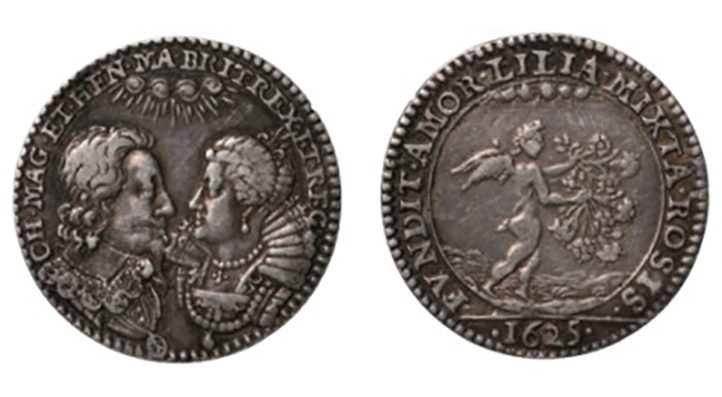
From an English merchant vessel lost near the Florida Keys in 1700.
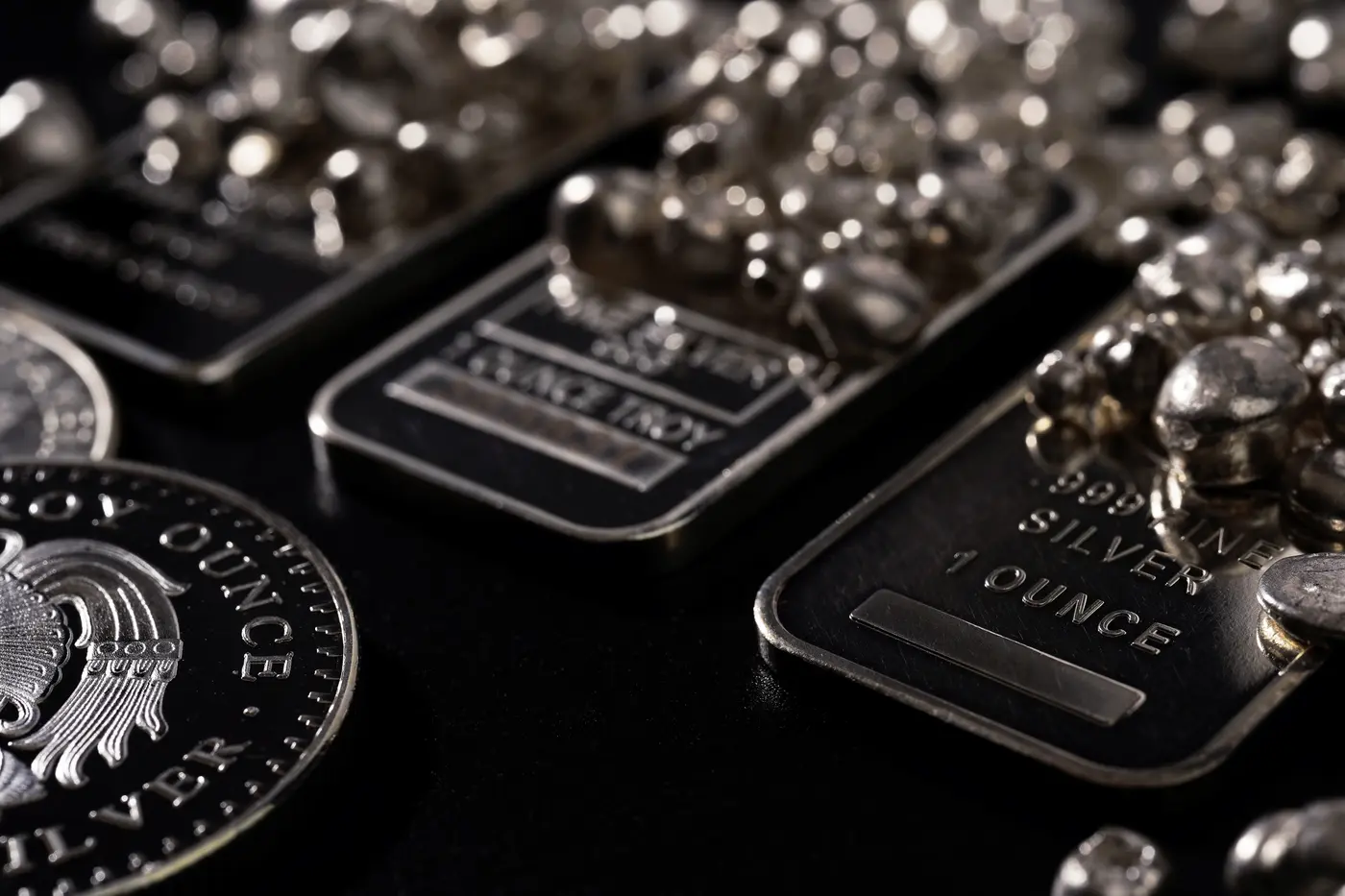
Recovered coinage. Call for provenance, certification, and current availability.
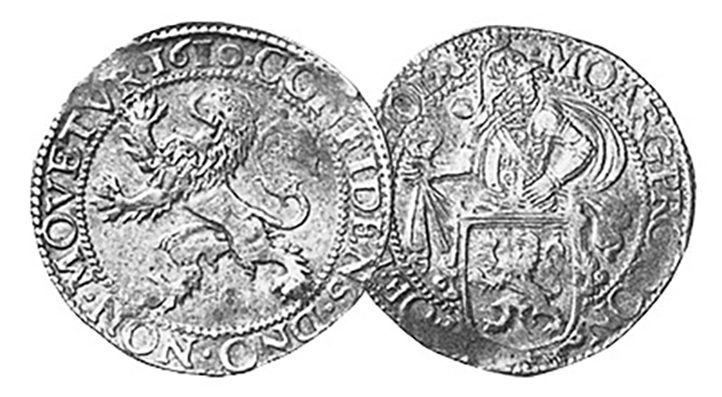
Recovered coinage. Call for provenance, certification, and current availability.
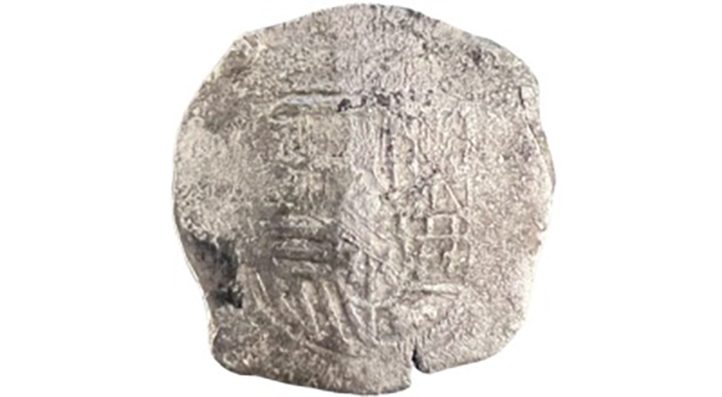
From the Spanish galleon lost in the Bahamas in 1656.
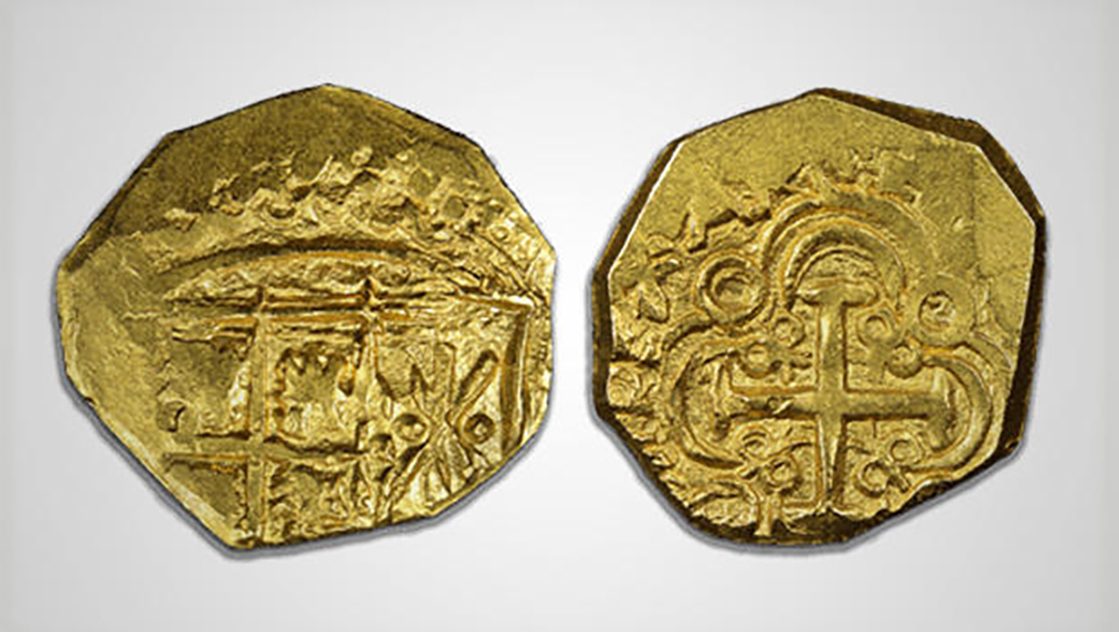
From the vessel captured by Captain William Kidd and lost in the Caribbean in 1699.
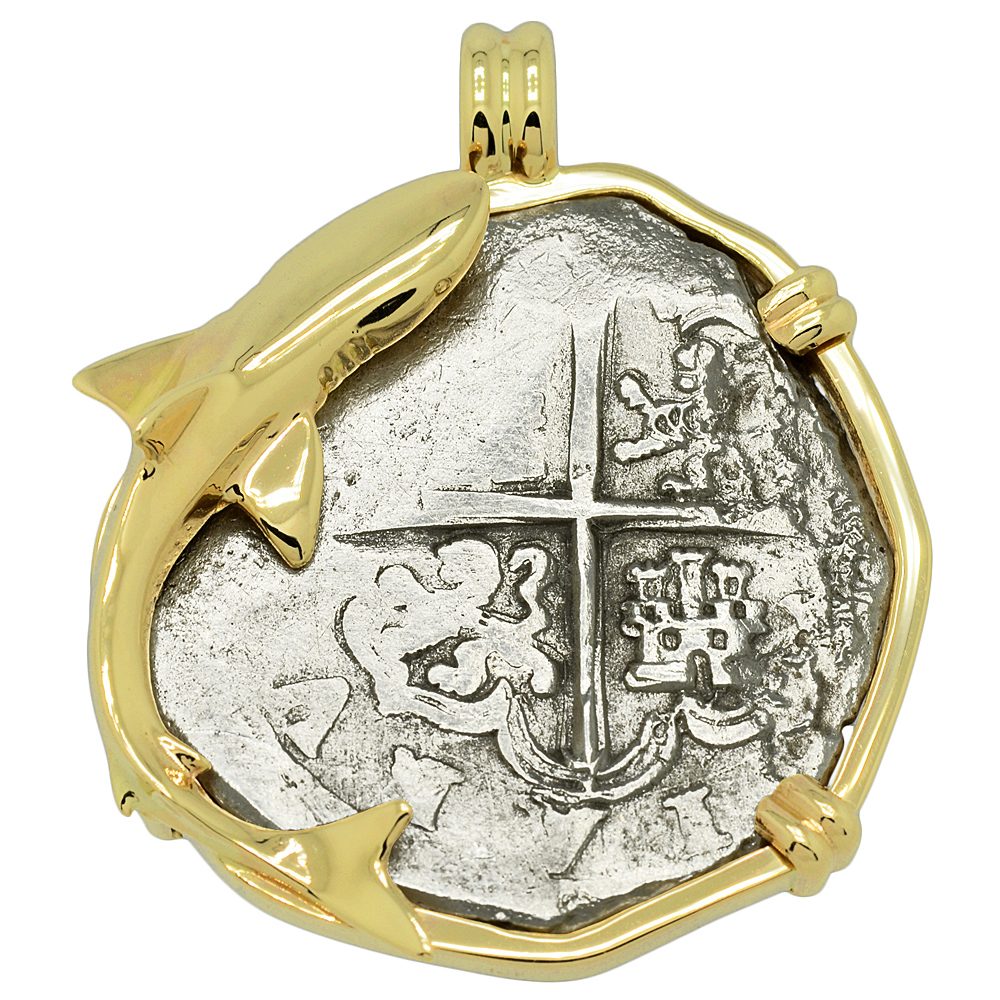
Recovered coinage. Call for provenance, certification, and current availability.
Recovered coinage. Call for provenance, certification, and current availability.
Recovered silver ingots. Call for provenance and current availability.
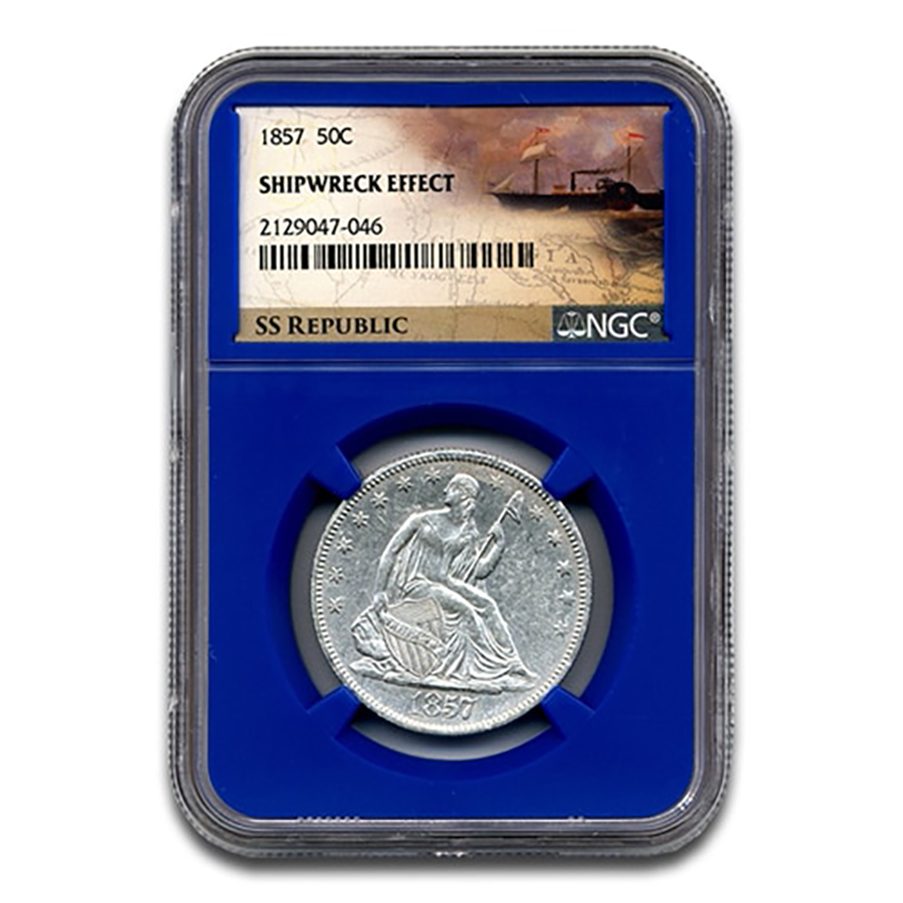
From the Civil War era steamship lost off the Georgia coast in 1865.
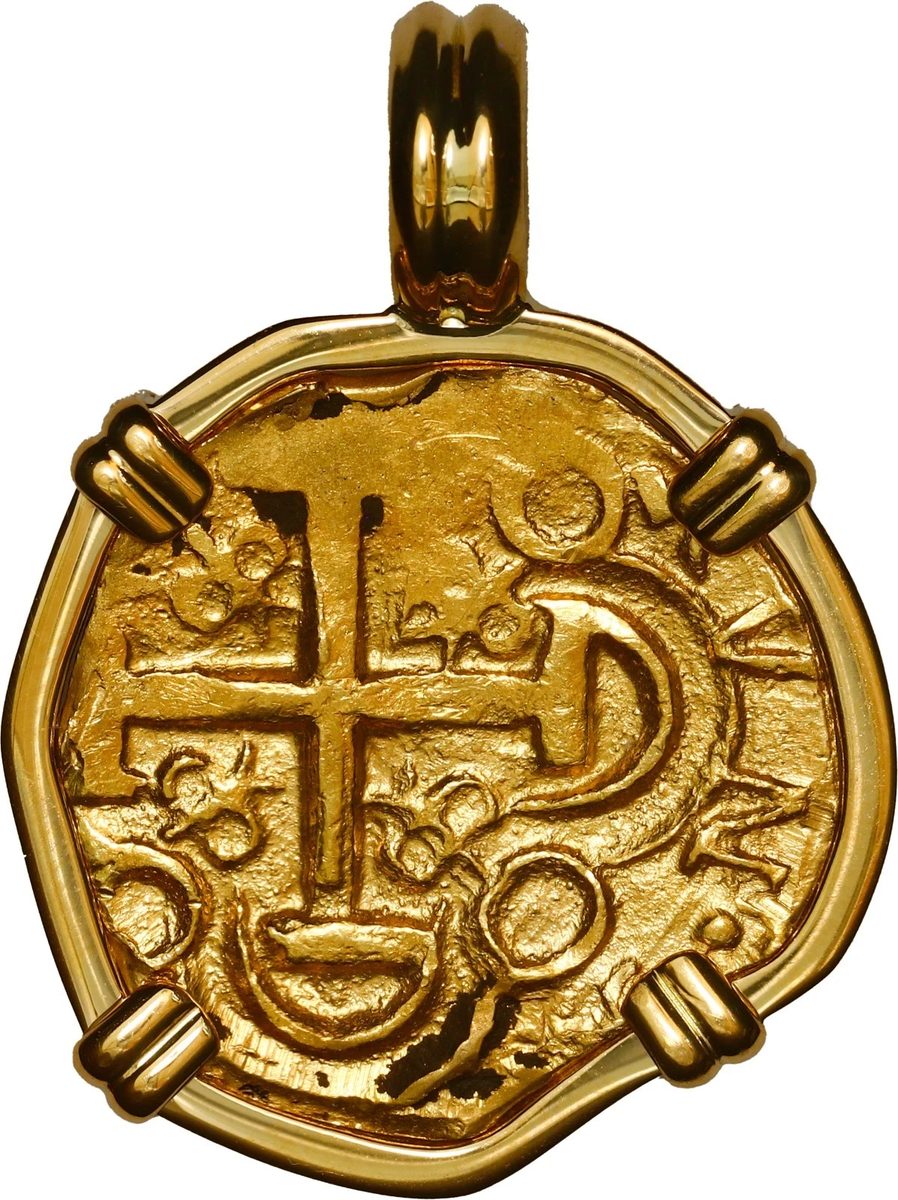
Recovered coinage. Call for provenance, certification, and current availability.
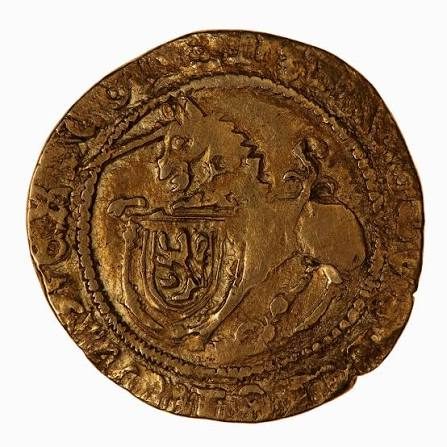
Recovered coinage. Call for provenance, certification, and current availability.
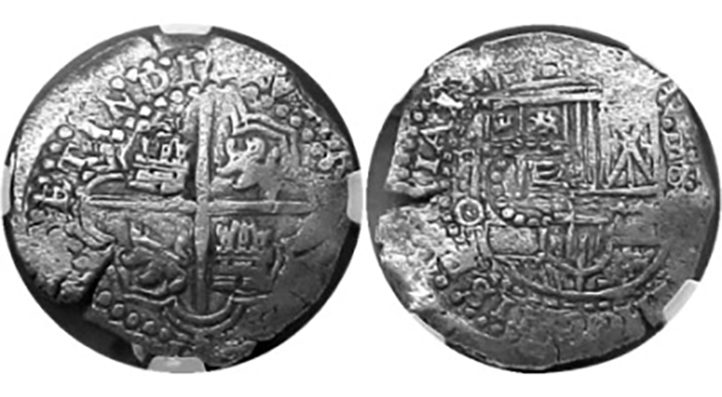
Recovered coinage. Call for provenance, certification, and current availability.
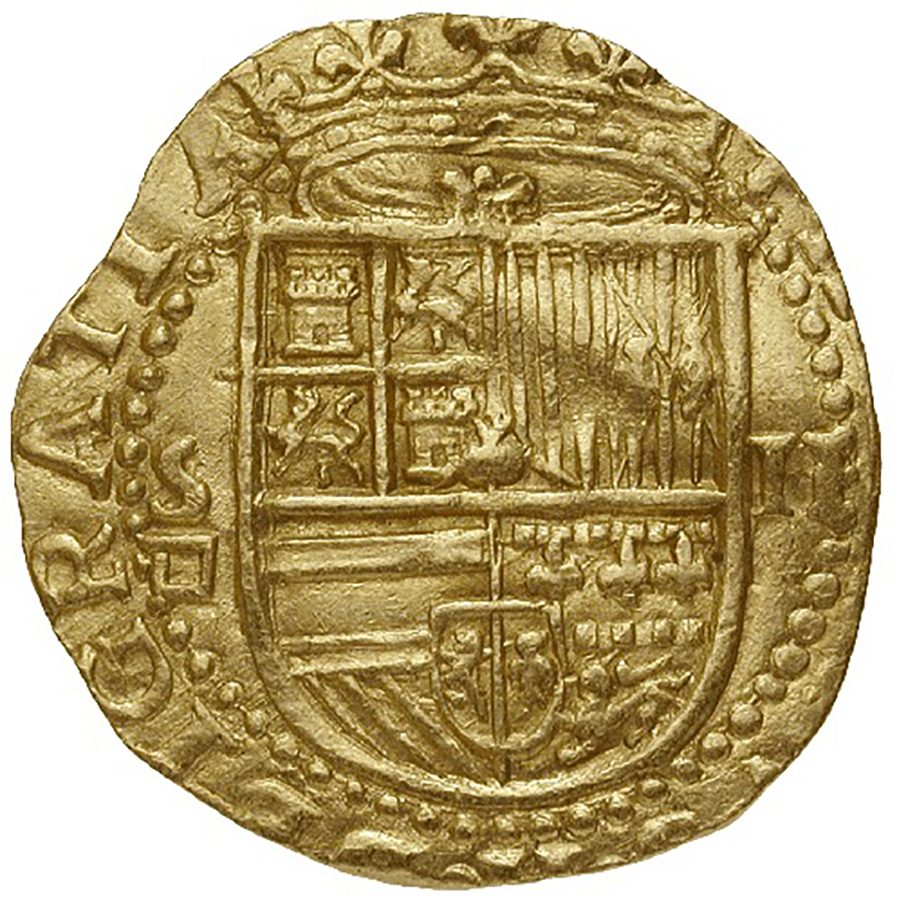
From the pirate ship lost off Cape Cod in 1717.
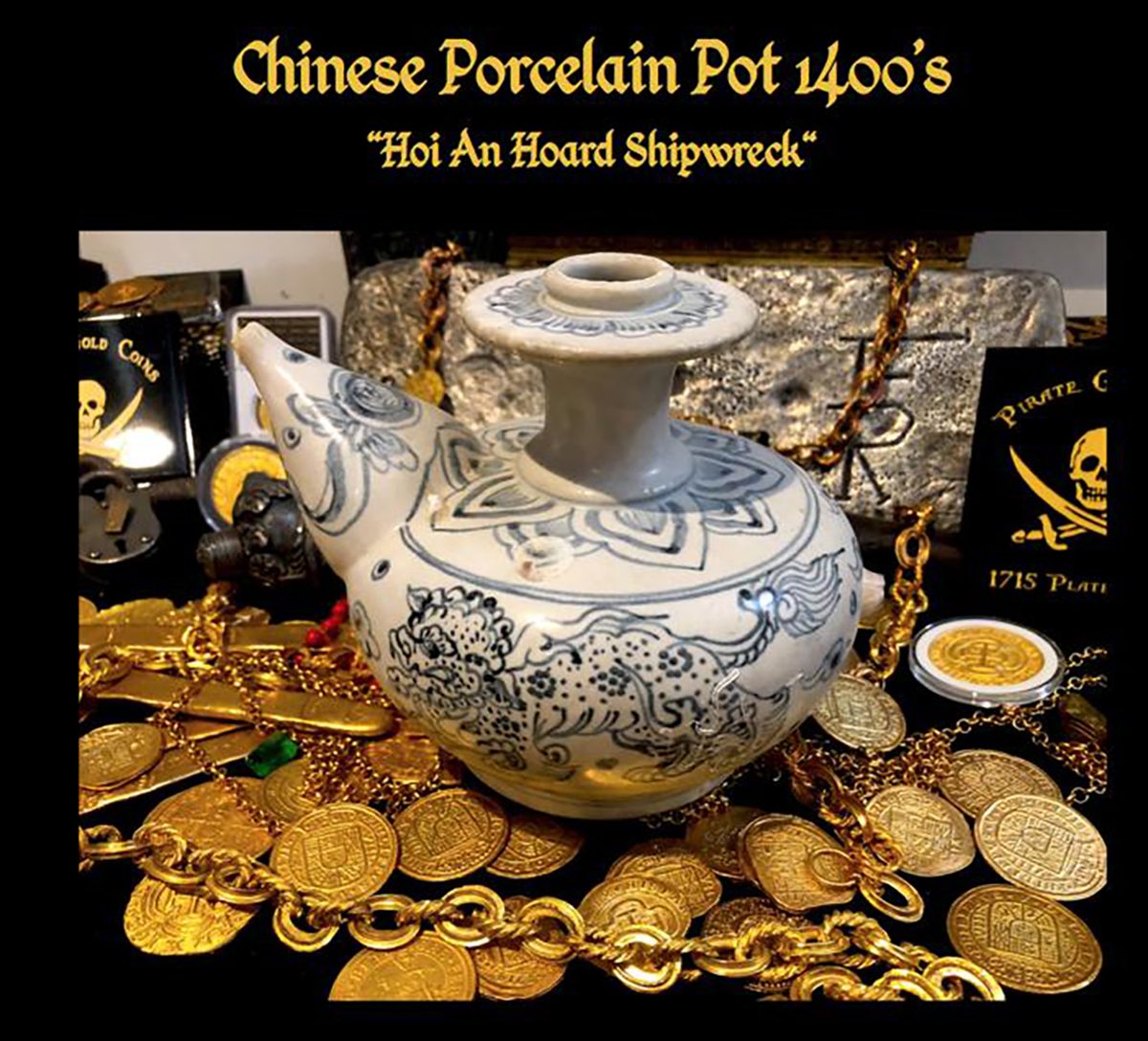
Hurricanes, reefs, pirates, and war: the stories behind the recoveries in this collection, told properly. Ask about any wreck’s documentation when you call.
On the last day of July 1715, eleven ships of Spain’s combined treasure fleet, heavy with the wealth of two oceans and desperate to reach Cadiz, were annihilated by a hurricane along Florida’s east coast. A thousand sailors died within sight of land. Spanish salvage camps worked the beaches for years, fighting off pirates drawn to the wreckage like sharks, and they still left millions behind. Three centuries later, storms still occasionally wash eight reales onto those same sands, which is why the region is named, on official maps, the Treasure Coast. Fleet coins carry that whole story in their irregular, sea-changed edges.
On September 6, 1622, the treasure galleon Nuestra Señora de Atocha was driven onto the reefs of the Florida Keys by a hurricane, taking forty tons of silver and gold and 260 souls to the bottom. Spain salvaged what it could reach and mourned the rest for three and a half centuries. Then, on July 20, 1985, after sixteen years of searching and unthinkable personal cost, Mel Fisher’s crew radioed the words the treasure world still repeats: they had found the motherlode. The Atocha remains the most celebrated shipwreck recovery in American history, and her silver reales, each hand-struck in the New World mints of a vanished empire, are the definitive shipwreck coins.
The Capitana, formally Jesús María de la Limpia Concepción, pride of Spain’s Pacific silver route, ran aground off Chanduy, Ecuador in 1654 while hauling one of the largest silver cargoes ever loaded in the Americas, much of it undeclared contraband, which made the official manifest a work of fiction. Spanish salvors recovered mountains of it; centuries of storms and modern expeditions have kept finding more. Capitana cobs, struck at Potosí from the richest mountain on earth, are the Pacific’s answer to the Atocha.
East Indiaman was the name given to the great armed merchant ships of the European East India companies, Dutch, English, and their rivals, that ran the year-long passages between Europe and Asia with cargoes worth more than the ships themselves. Hundreds were lost to reefs, cyclones, and war along the way, seeding the sea floor from the Cape to the China coast. Material from these trade-route recoveries carries the whole age of sail’s commerce in miniature.
In January 1784, the Spanish brig of war El Cazador sailed from Veracruz carrying some 450,000 freshly struck pesos meant to rescue the collapsing paper currency of Spanish Louisiana. She vanished into the Gulf without a witness. Spain’s grip on the territory weakened without the silver, the colony passed to France, and in 1803 Napoleon sold it to the United States: the Louisiana Purchase, with a sunken brig as a quiet accomplice. In 1993 a fishing trawler named, magnificently, Mistake, hauled up a net full of blackened pesos and solved a two-century mystery. Cazador coins are the butterfly effect you can hold.
The Dutch East Indiaman Geldermalsen struck a reef in the South China Sea in January 1752, sixteen days out of Canton, taking down a cargo of tea, gold ingots, and a staggering hoard of Chinese porcelain. Salvaged in 1985, her cargo crossed the auction block at Christie’s Amsterdam as the fabled Nanking Cargo, one of the most famous shipwreck sales ever held. Pieces associated with her era carry the flavor of the China trade at its height, when Dutch ships stitched Europe to Asia and fortunes rode on monsoon winds.
The Henrietta Marie was an English slave ship that went down near the Marquesas Keys around 1700 after delivering captive Africans to Jamaica, and her rediscovery made her one of the most important and sobering wreck sites in American waters: the fullest physical record of the trade’s machinery ever recovered. Divers of the National Association of Black Scuba Divers placed a memorial plaque on her remains, dedicated to the men, women, and children she carried. We present her history plainly and with respect; some wrecks are monuments first, and this is one of them.
Hoi An Shipwreck Coins pieces in this collection are recovered and salvor-attributed material from the age of sail and after, each acquired with its accompanying documentation. Every recovered piece we handle is discussed openly by phone: what is known about it, what its papers say, and what its salvors reported. History with receipts, which is the only kind we sell.
King Solomons Shipwreck Coins pieces in this collection are recovered and salvor-attributed material from the age of sail and after, each acquired with its accompanying documentation. Every recovered piece we handle is discussed openly by phone: what is known about it, what its papers say, and what its salvors reported. History with receipts, which is the only kind we sell.
The galleon Nuestra Señora de las Maravillas, second ship of the Tierra Firme fleet, collided with her own flagship and tore open on the Little Bahama Bank in January 1656, scattering one of the richest cargoes Spain ever lost across miles of white sand. Salvors have worked her trail for three and a half centuries, from 17th-century Spanish divers with weighted baskets to modern expeditions with magnetometers, and the bank still gives up silver. Maravillas material carries the purest strain of Spanish Main romance in the entire field.
The Quedagh Merchant was Captain William Kidd’s great prize, an Armenian-owned merchantman he took in the Indian Ocean, an act that transformed him, depending on the courtroom, from privateer into pirate. Kidd abandoned and scuttled her off Catalina Island, Hispaniola, in 1699 while he sailed north to argue for his life; he lost the argument and hanged in London. Her remains were identified in 2007 in shallow Dominican waters. Few names in the ledger connect a coin to a courtroom drama, a hanging, and three centuries of buried-treasure legend the way Kidd’s does.
San Jose Shipwreck Coins pieces in this collection are recovered and salvor-attributed material from the age of sail and after, each acquired with its accompanying documentation. Every recovered piece we handle is discussed openly by phone: what is known about it, what its papers say, and what its salvors reported. History with receipts, which is the only kind we sell.
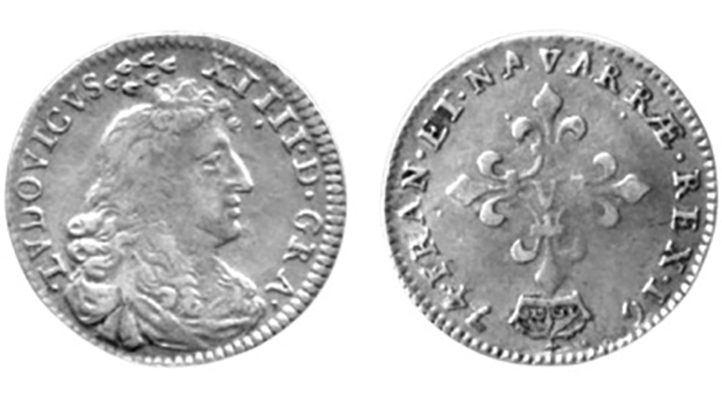
Under Louis XIV, France built a global trading web to rival any empire’s, and her ships carried écus and colonial coinage from the Caribbean to the Indian Ocean, with the Sun King’s scepter and sunburst stamped on the age itself. Wreck and hoard material from this era carries the gilded confidence of Versailles into the collector’s cabinet: coinage from the reign that defined absolute monarchy, recovered from the sea lanes that funded it.
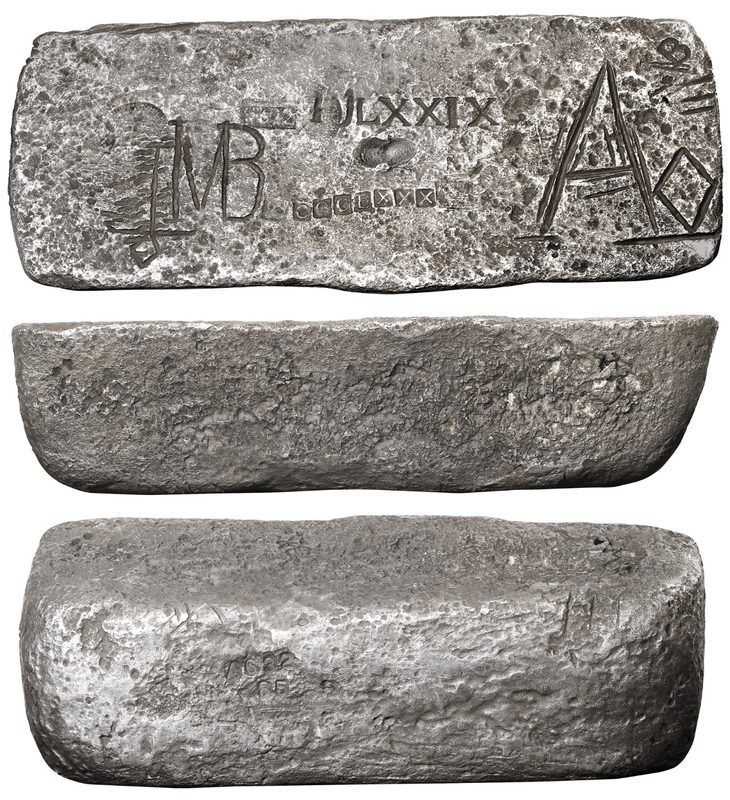
Silver Bars Shipwreck Coins pieces in this collection are recovered and salvor-attributed material from the age of sail and after, each acquired with its accompanying documentation. Every recovered piece we handle is discussed openly by phone: what is known about it, what its papers say, and what its salvors reported. History with receipts, which is the only kind we sell.
The sidewheel steamer SS Republic left New York in October 1865 bound for New Orleans, carrying passengers and a fortune in gold and silver coin to help rebuild the postwar South. A hurricane off Georgia sank her on October 25 after a two-day fight her passengers survived in lifeboats. In 2003, Odyssey Marine Exploration located her 1,700 feet down and recovered more than fifty thousand coins, a time capsule of exactly what Americans carried in the last year of the Civil War. Republic coins connect the collector to Reconstruction America by the most direct route imaginable.
Sunken City Shipwreck Coins pieces in this collection are recovered and salvor-attributed material from the age of sail and after, each acquired with its accompanying documentation. Every recovered piece we handle is discussed openly by phone: what is known about it, what its papers say, and what its salvors reported. History with receipts, which is the only kind we sell.
Unicorn Shipwreck Coins pieces in this collection are recovered and salvor-attributed material from the age of sail and after, each acquired with its accompanying documentation. Every recovered piece we handle is discussed openly by phone: what is known about it, what its papers say, and what its salvors reported. History with receipts, which is the only kind we sell.
The Dutch merchant Vrouw Maria sank in the Finnish archipelago in October 1771 carrying, among her cargo, masterpiece paintings purchased for Catherine the Great of Russia. Her loss grieved an empress; her rediscovery in 1999, remarkably intact in the cold Baltic dark, electrified archaeologists, and she rests preserved where she lies. She stands for the whole Baltic trade world of her century, and pieces from that world and era carry the same salt-cold romance.
The Whydah began as a slave ship and ended as the flagship of Black Sam Bellamy, the most successful pirate of his age, before an April nor’easter smashed her onto the shoals of Cape Cod in 1717 with her holds full of plunder from over fifty prizes. Barry Clifford located her in 1984, and when divers raised the ship’s bell, cast THE WHYDAH GALLY 1716, she became the first pirate shipwreck ever authenticated beyond argument. Artifacts and coins associated with her story carry the rarest pedigree in the field: not treasure lost by an empire, but treasure taken by pirates and lost again.