Morgan Silver Dollars
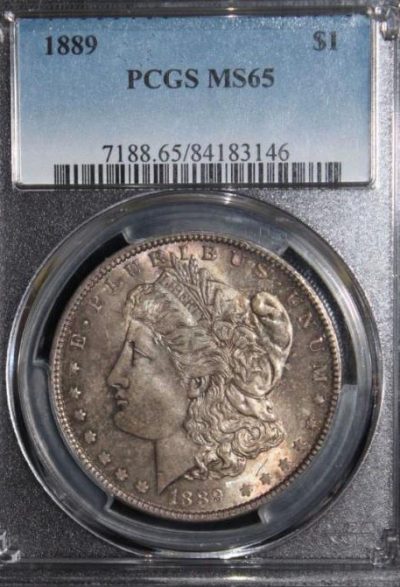
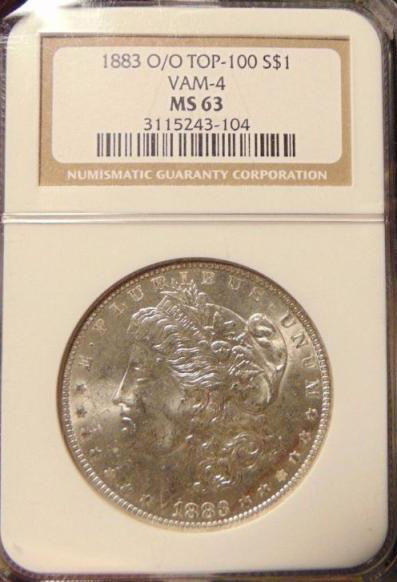
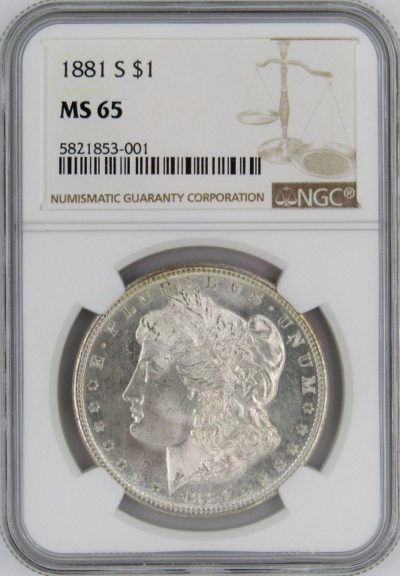
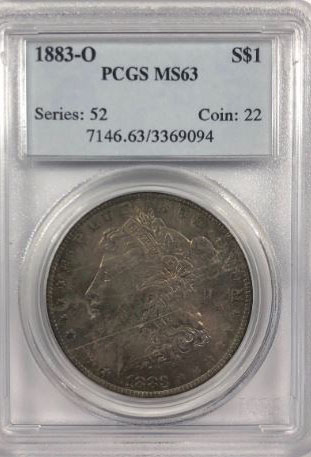
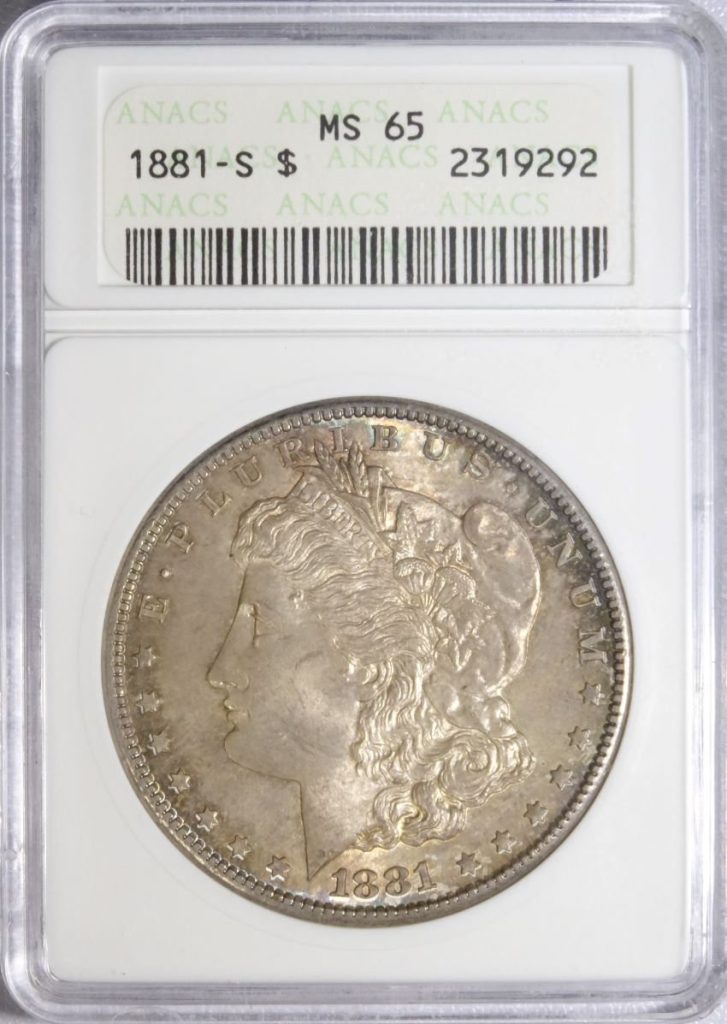
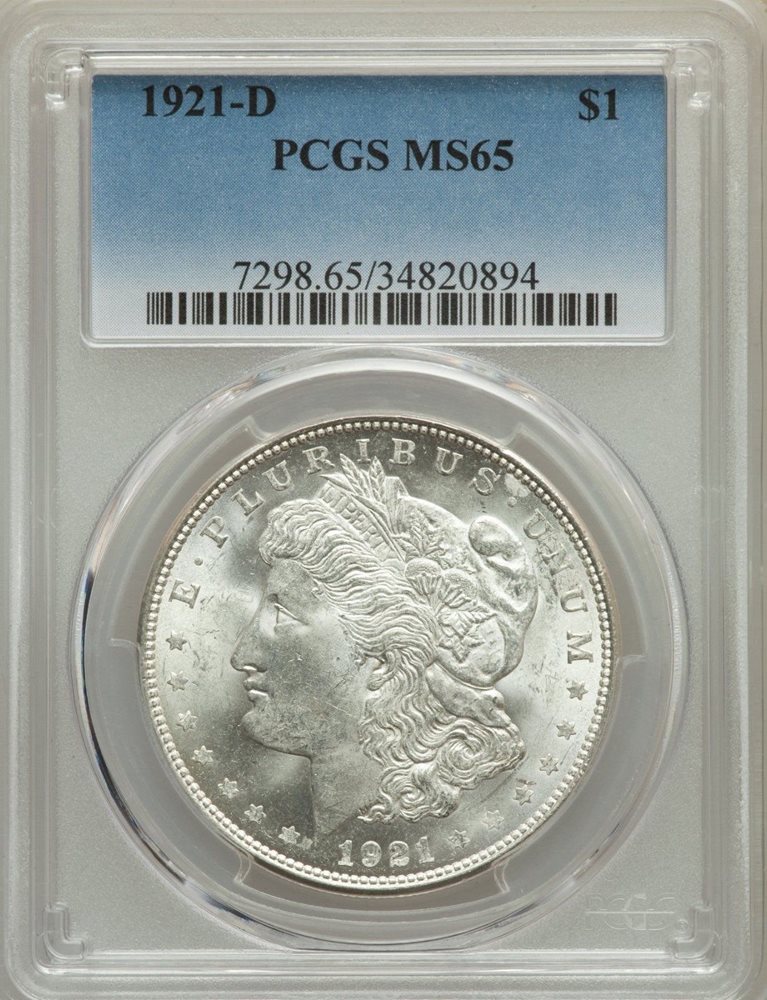
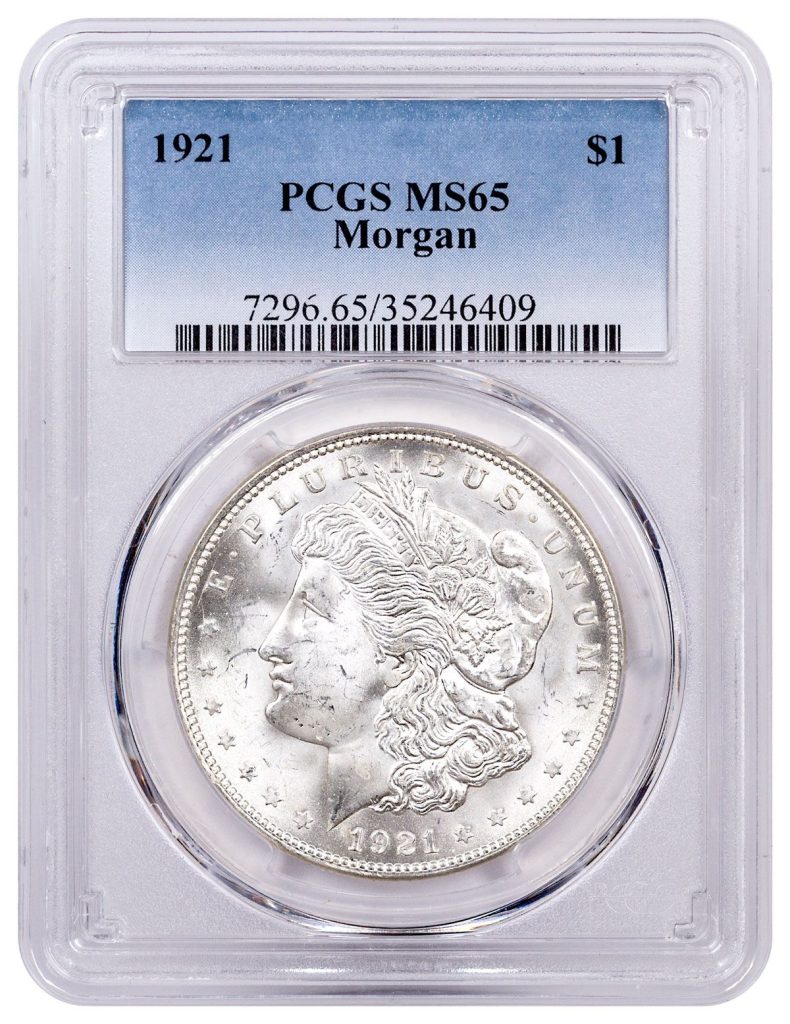
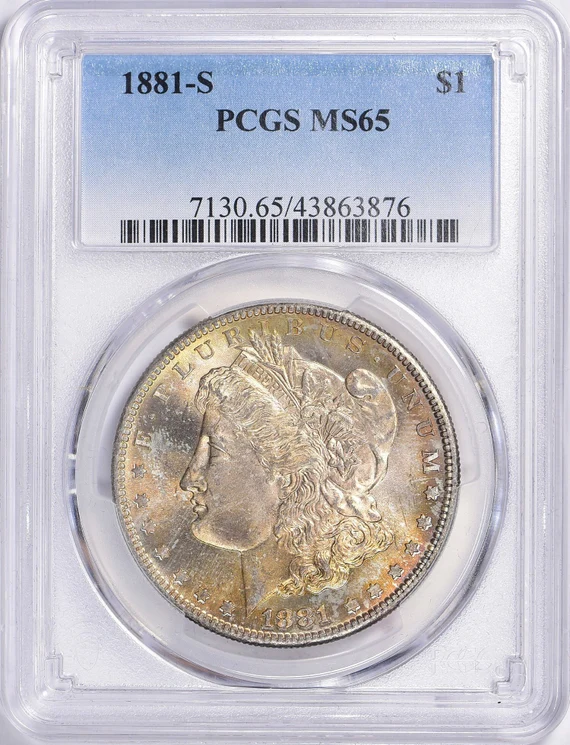
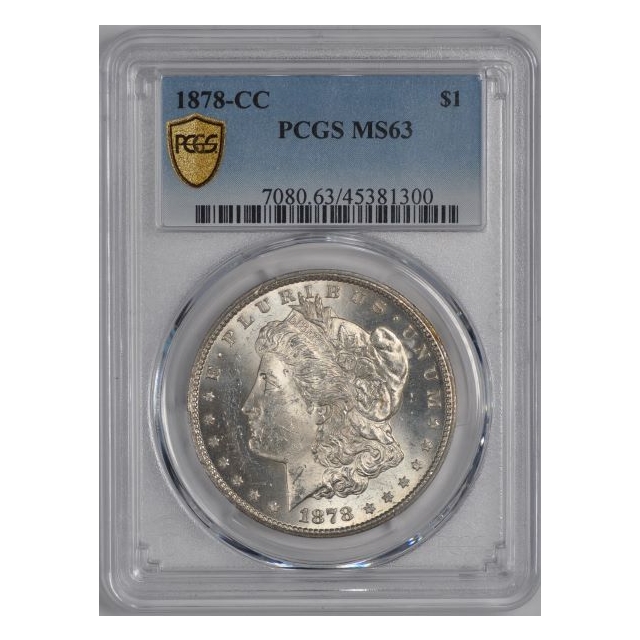
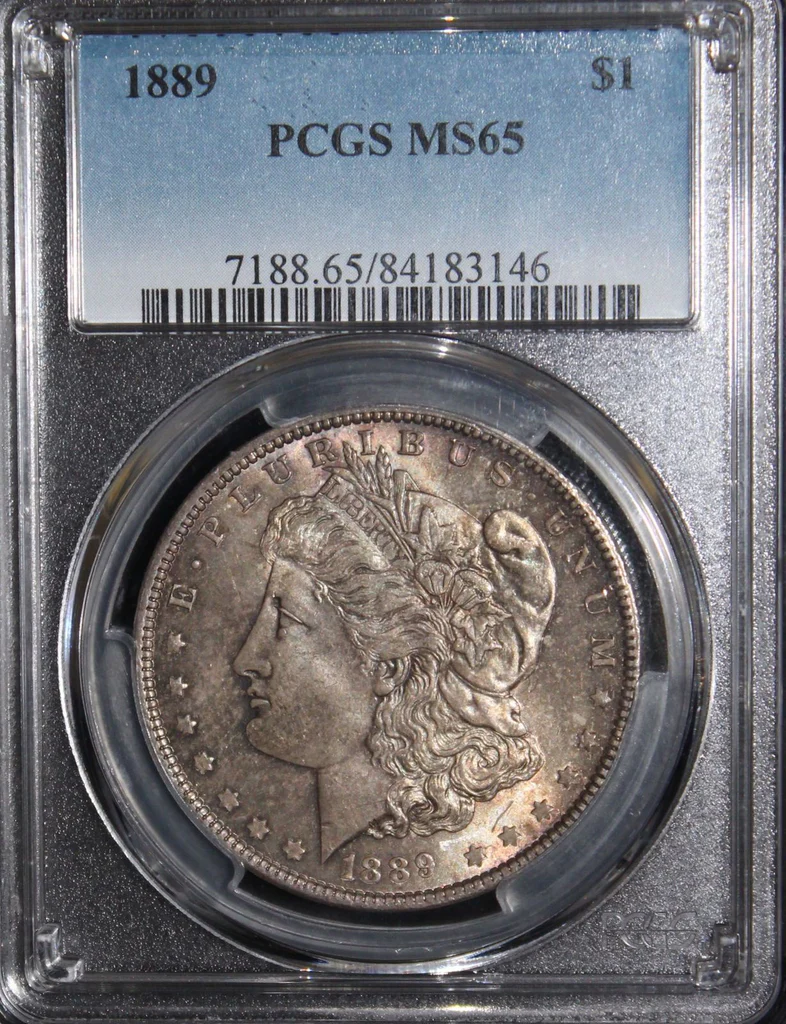
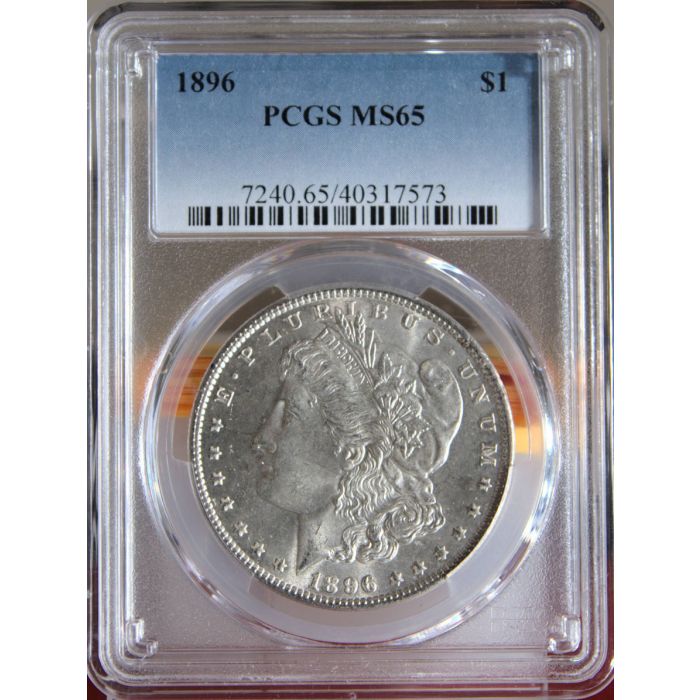
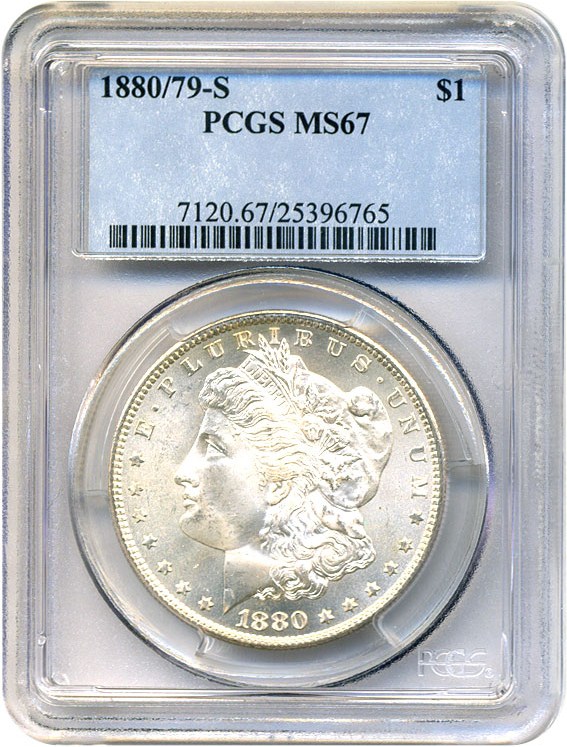
Encapsulated, high-grade examples
Circulated examples
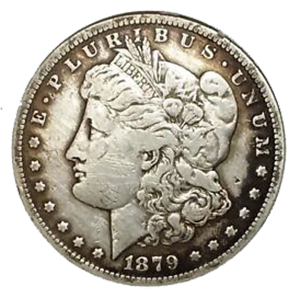
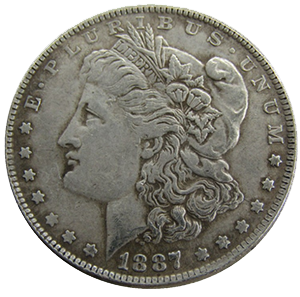
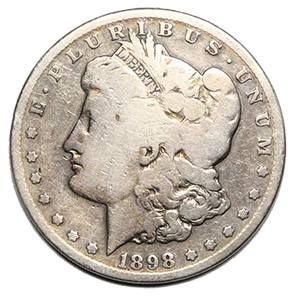
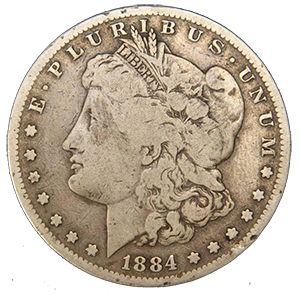
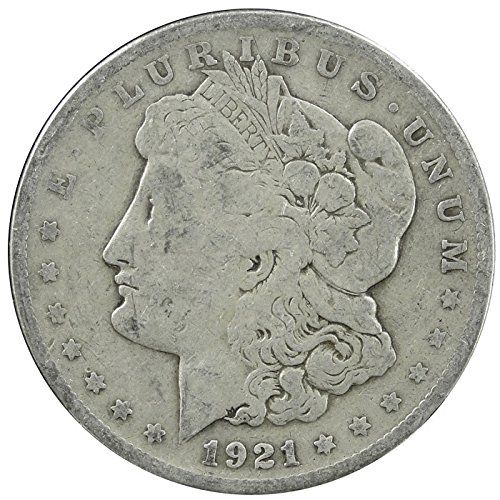
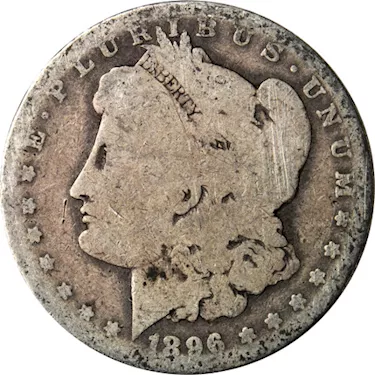
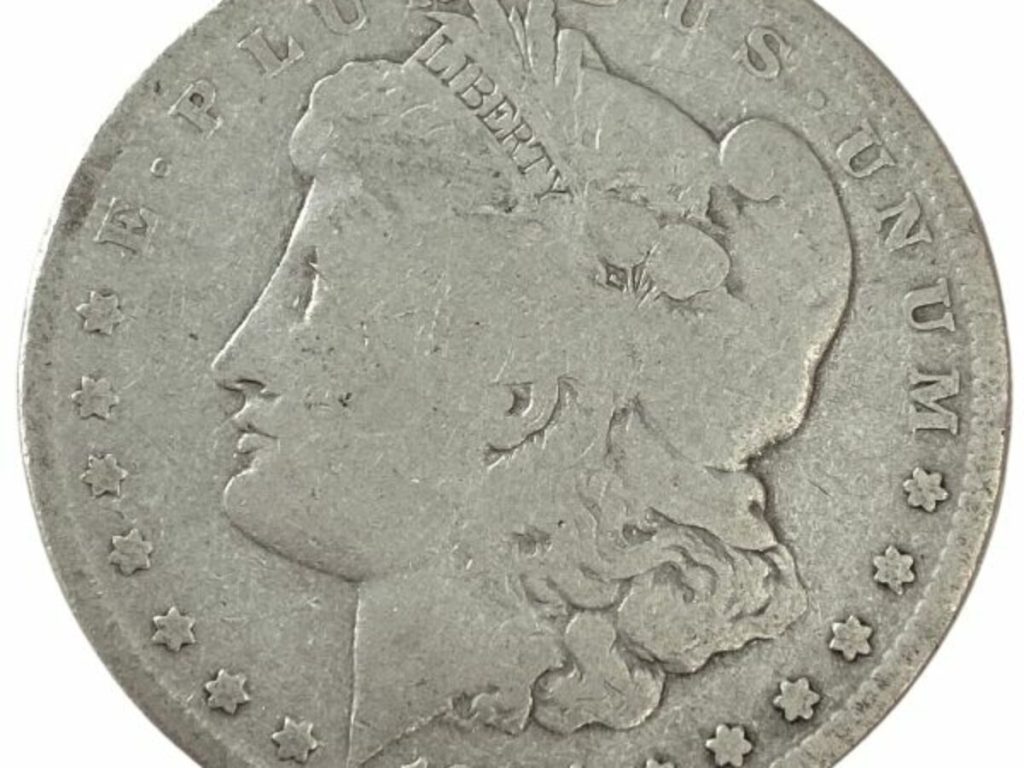
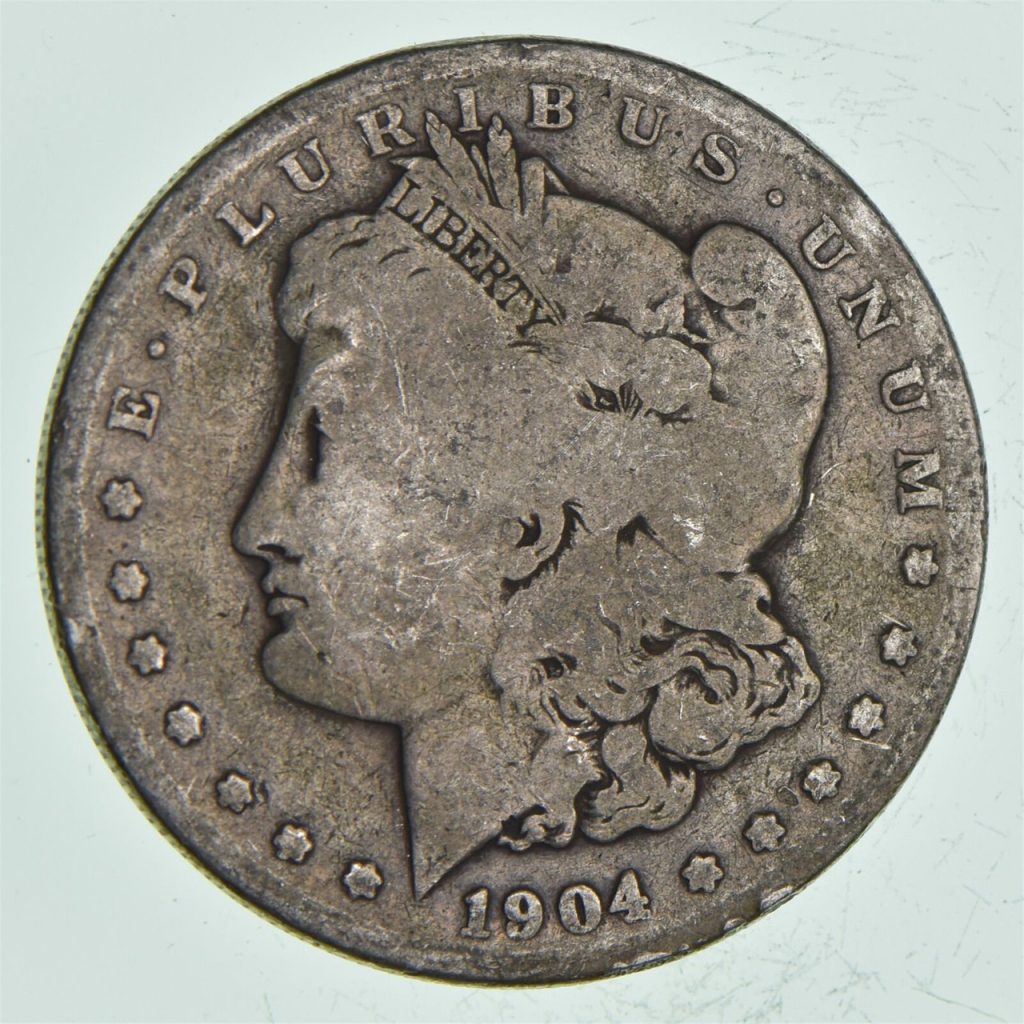
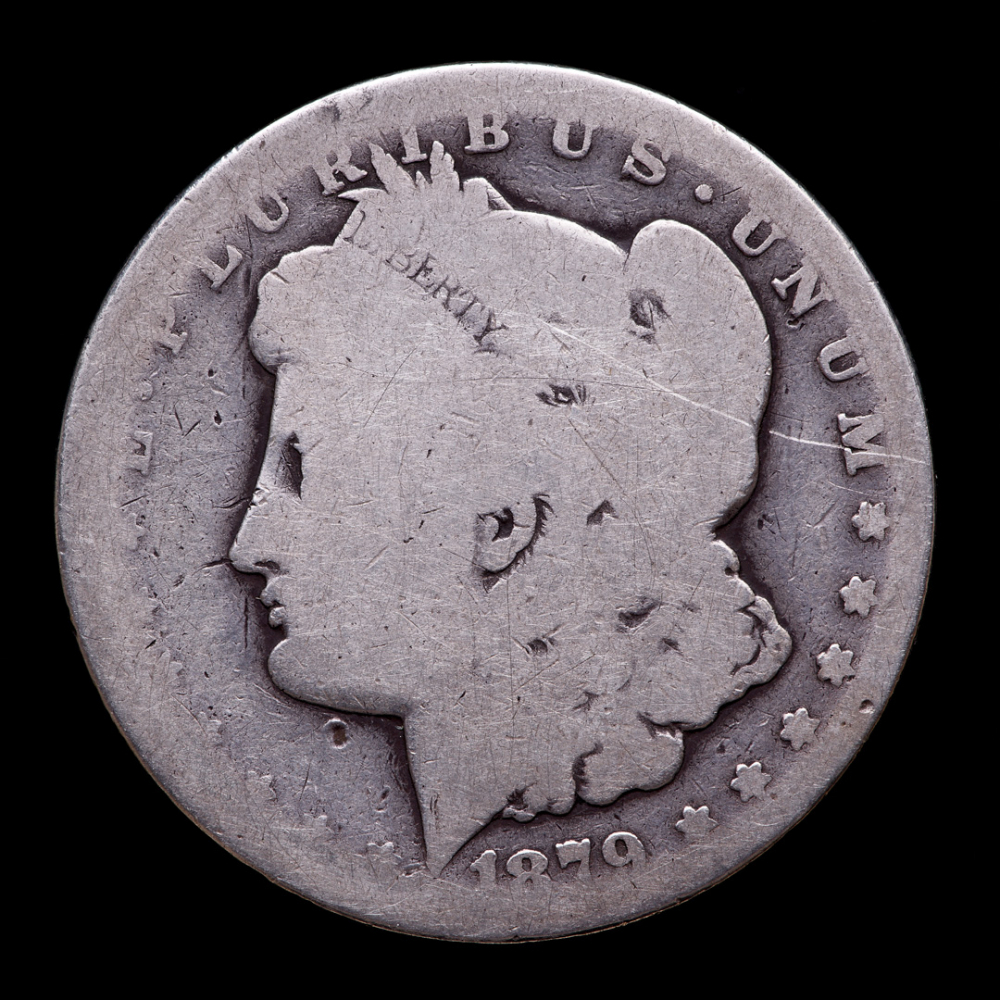
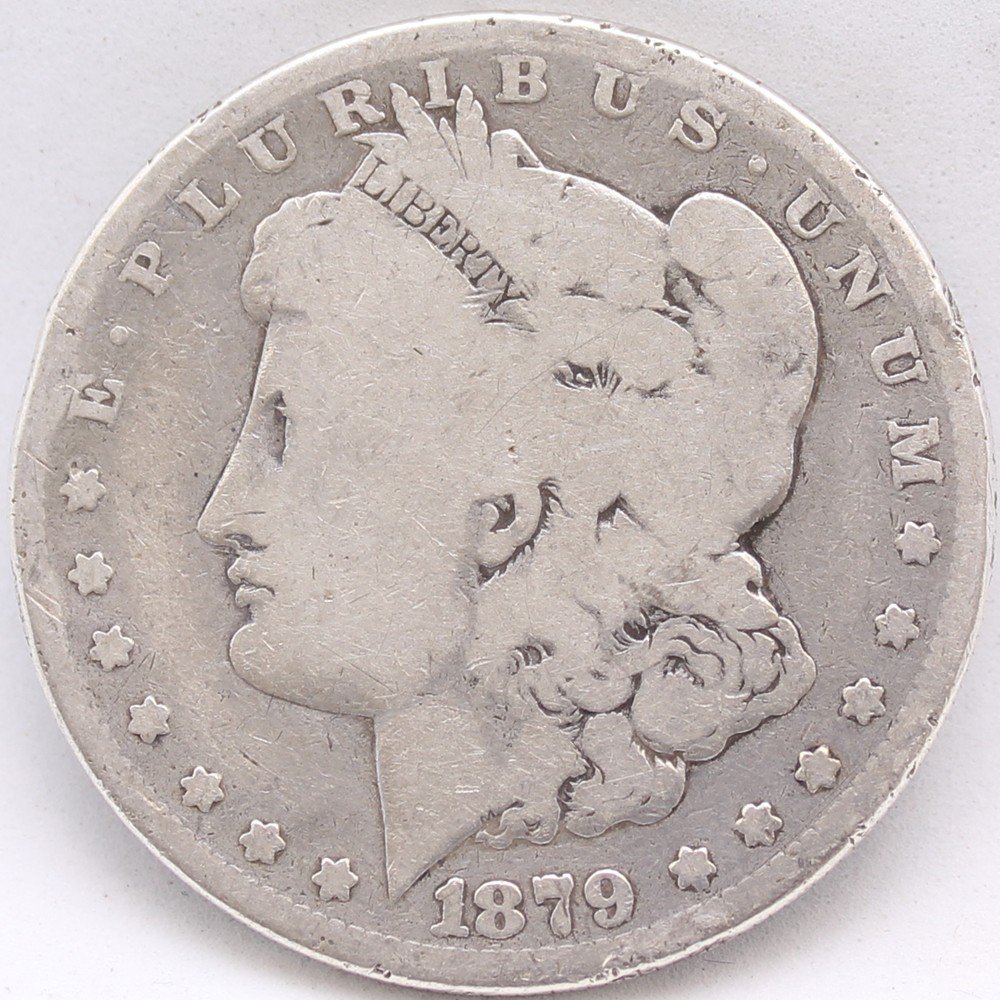
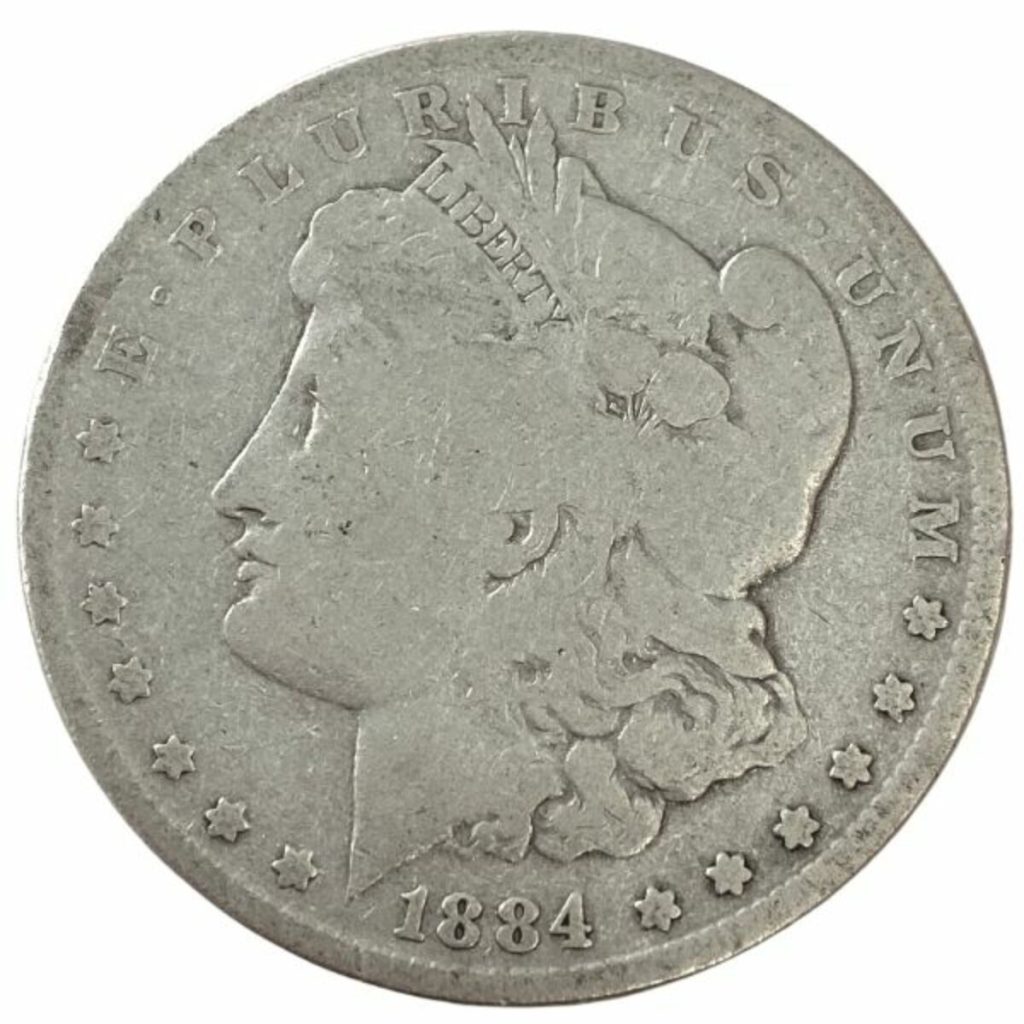
A plain-English guide to the grading scale collectors use, and what independent third-party certification actually means.
Below are illustrations of encapsulated, high-grade examples alongside typical circulated pieces from the same series. Comparing them to coins in your own collection can give you an initial sense of condition. It is not a substitute for professional third-party grading.
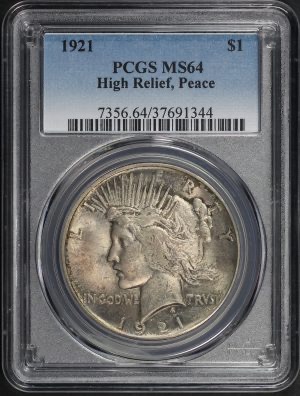
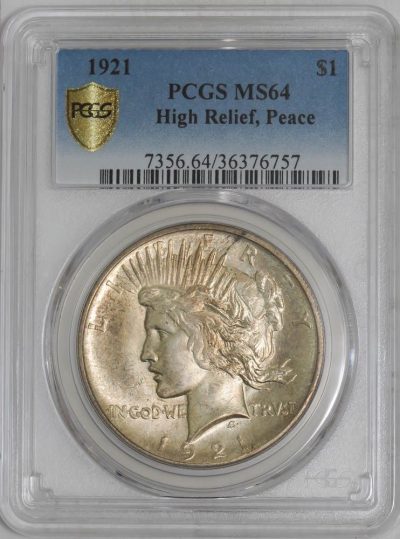
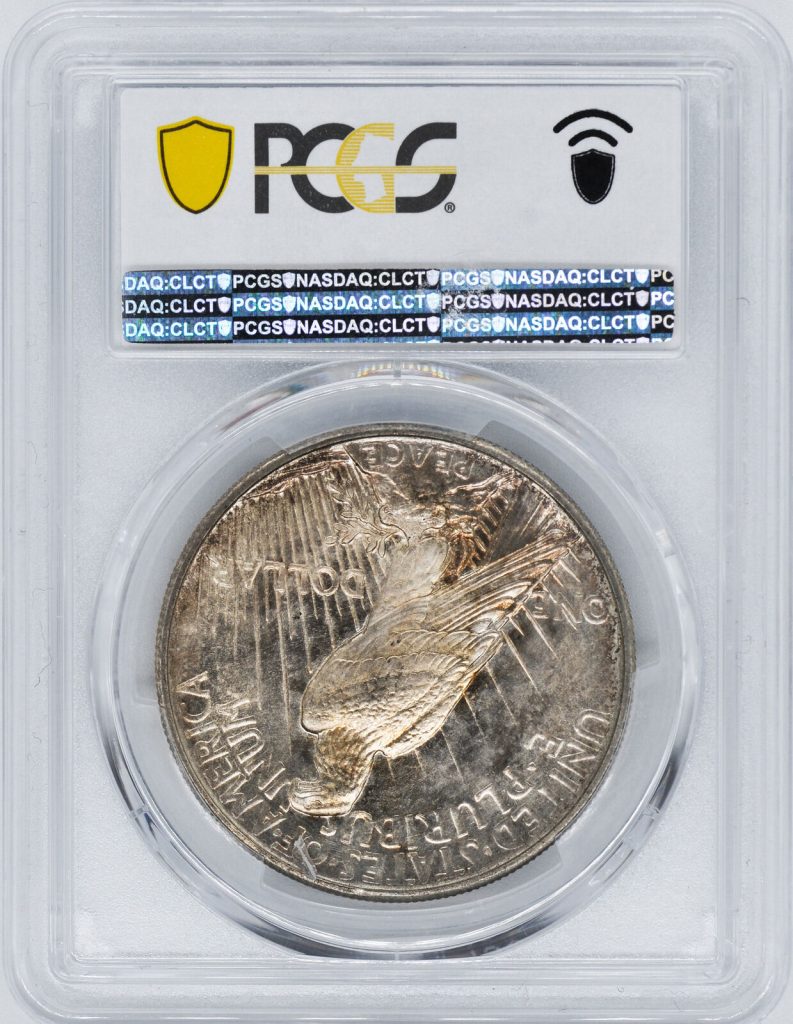
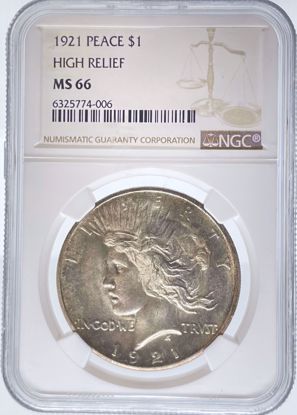
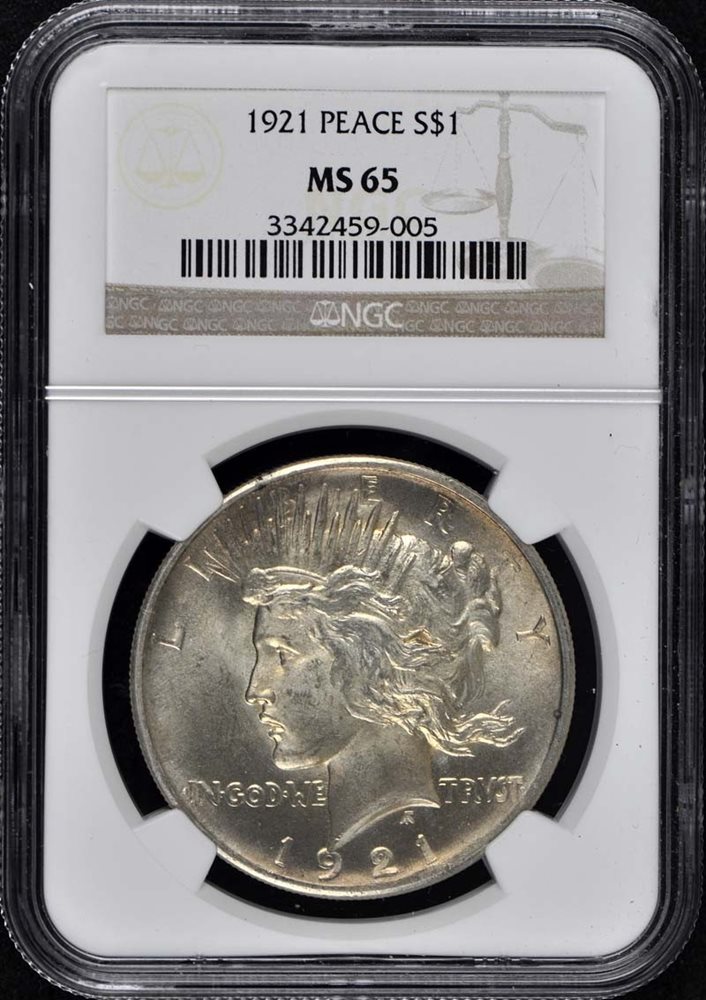
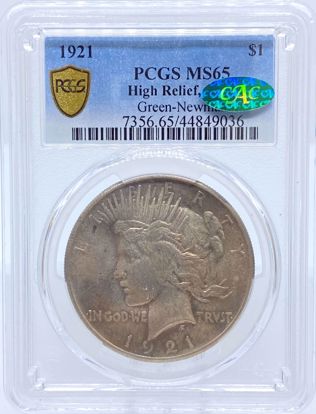
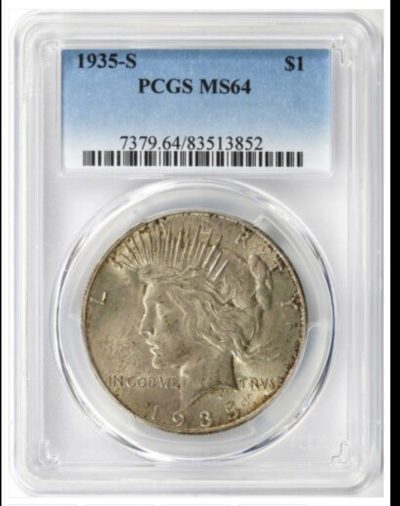
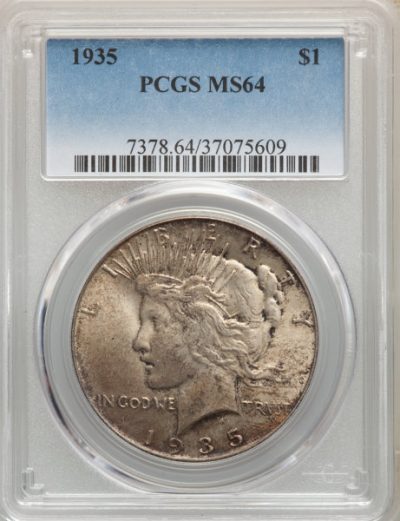
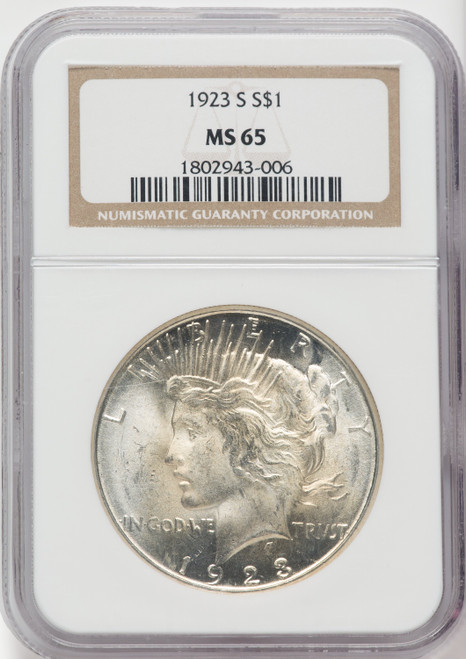
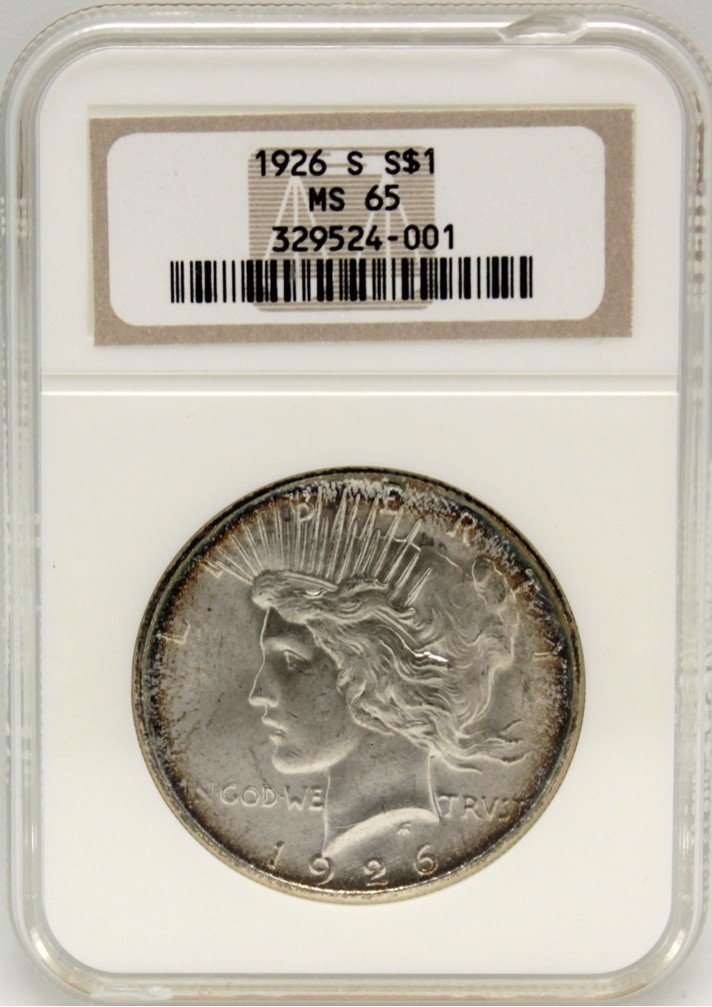
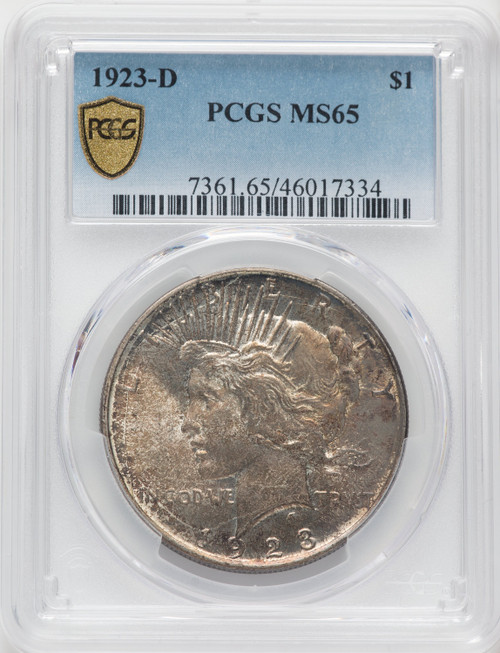
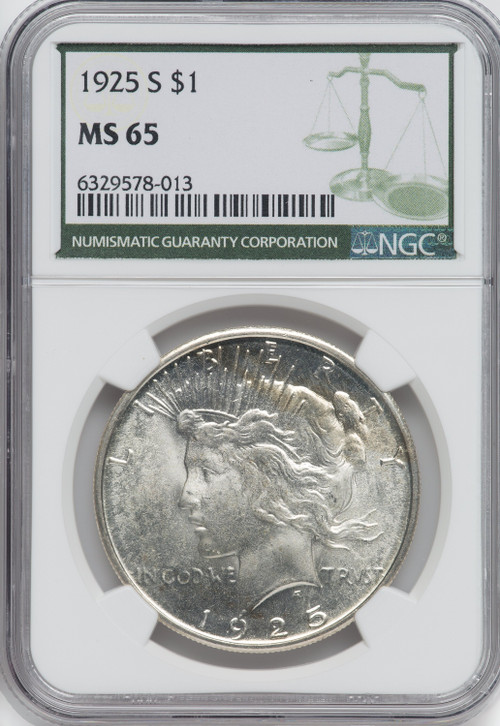
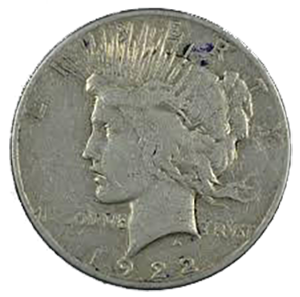
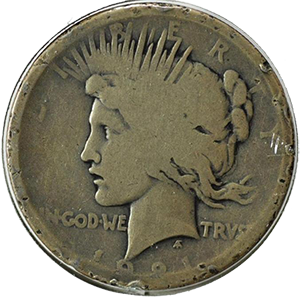
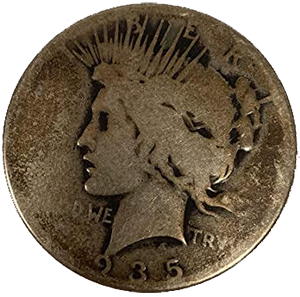
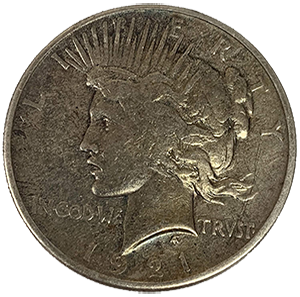
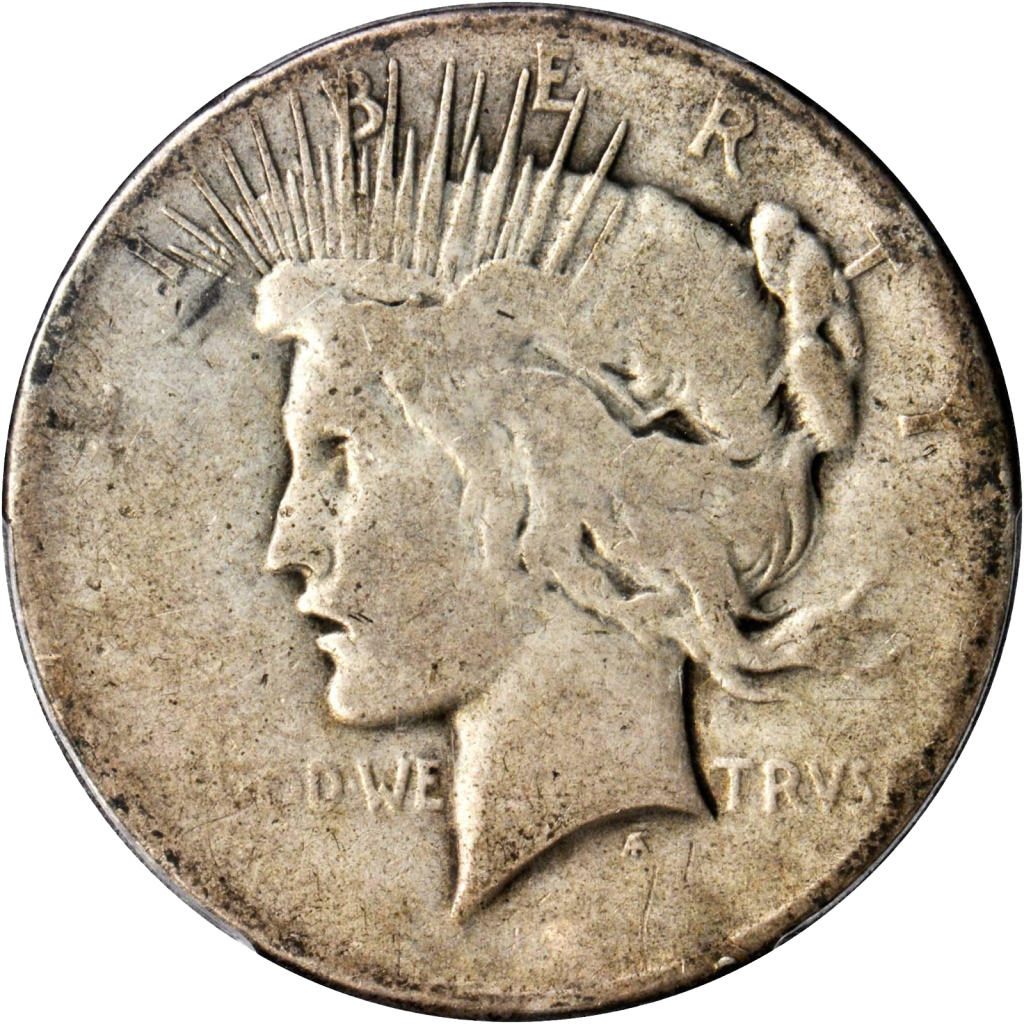
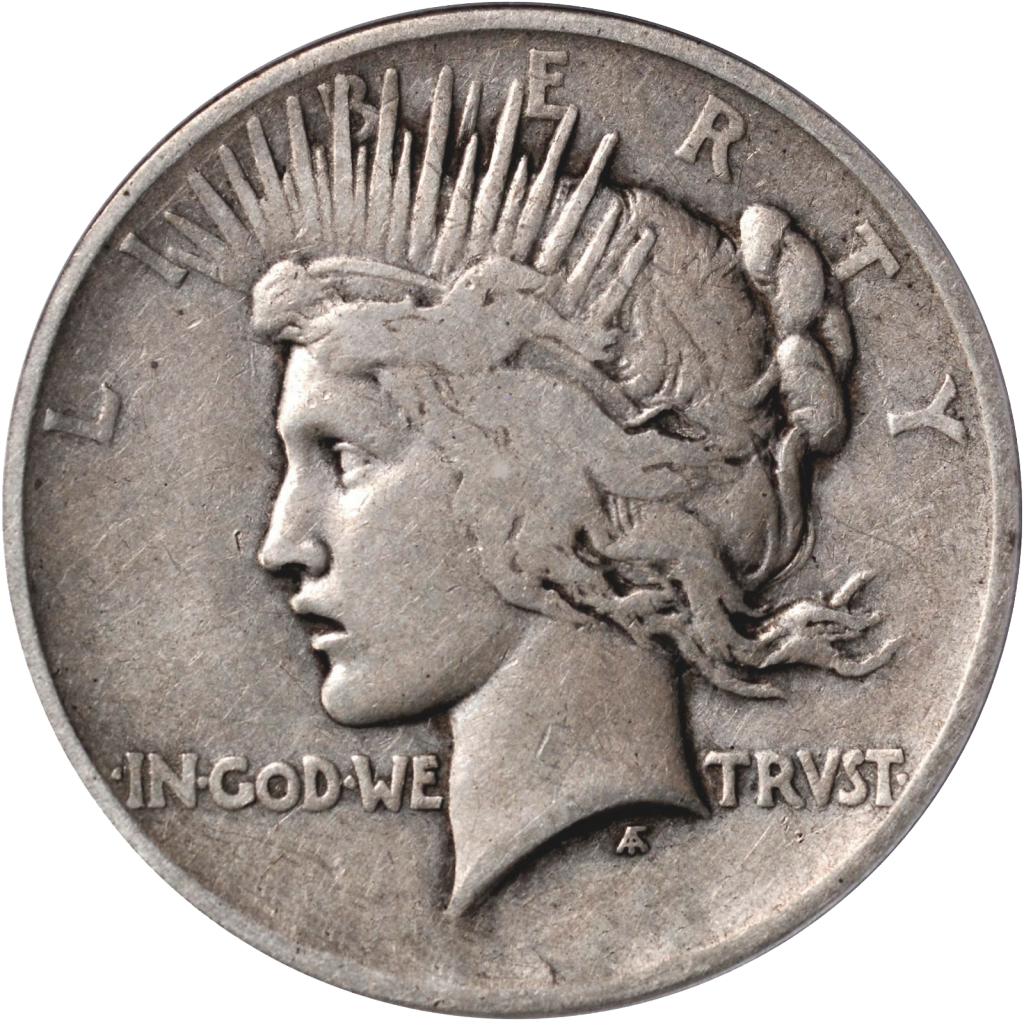
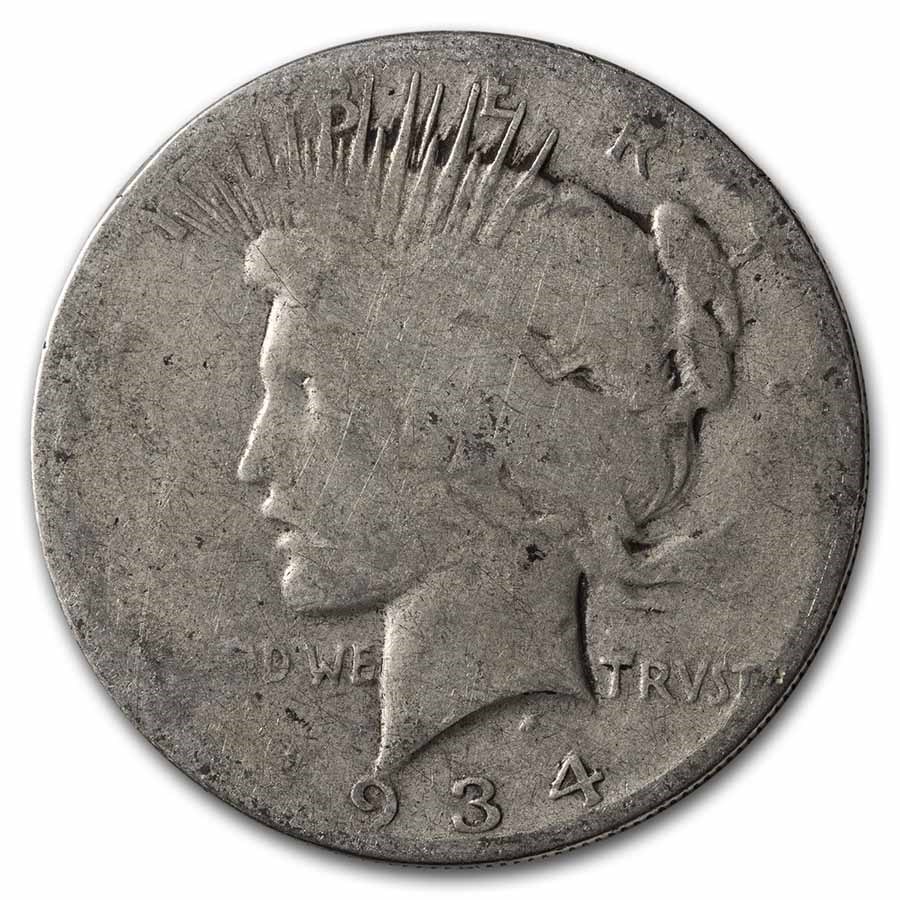
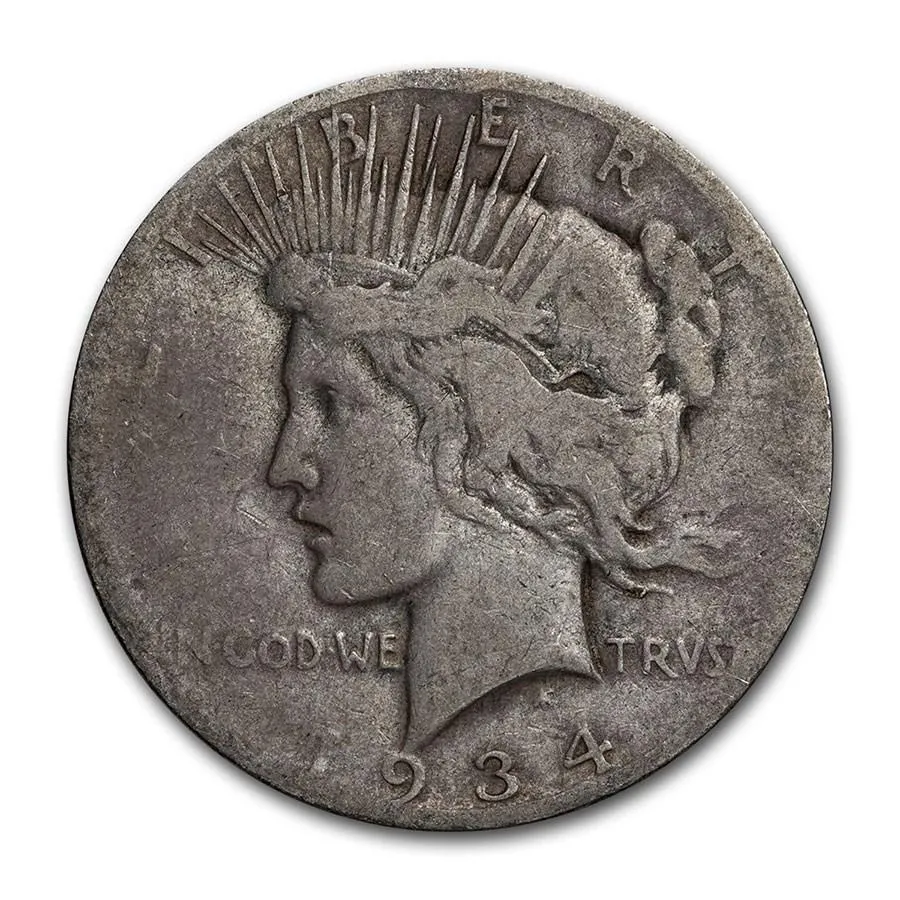
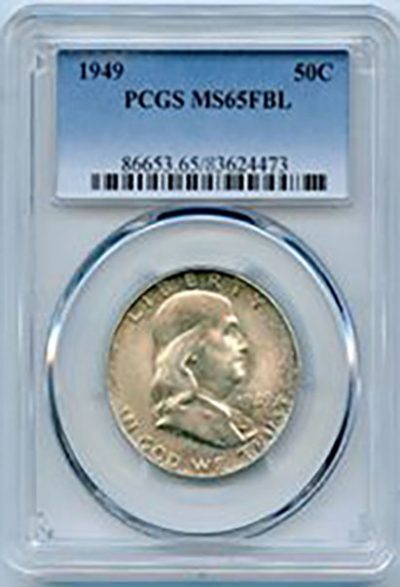
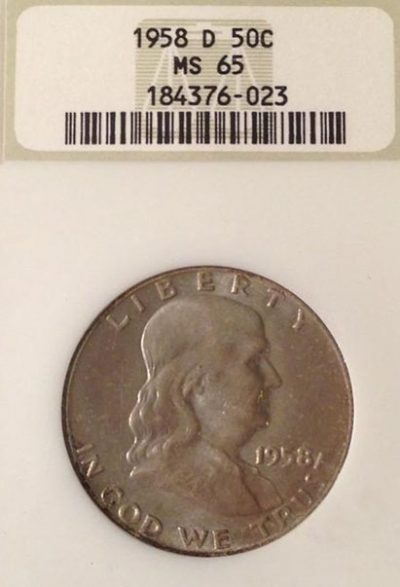
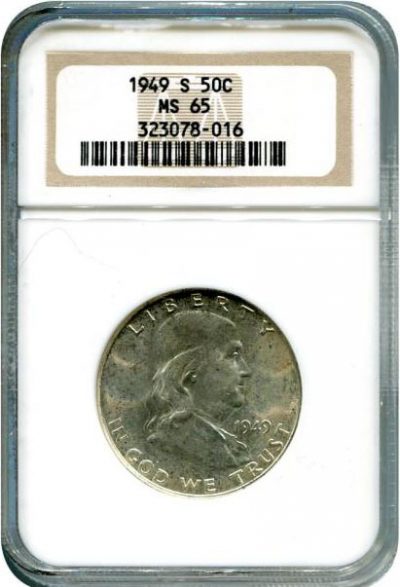
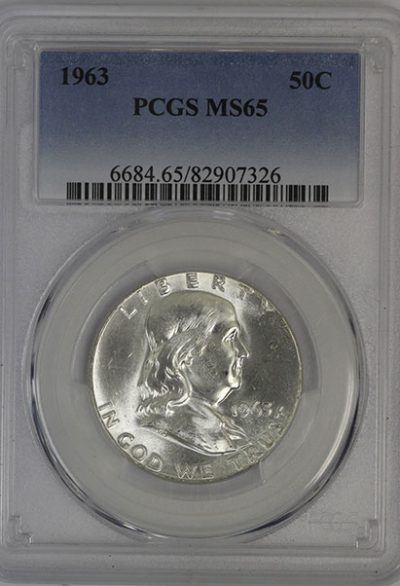
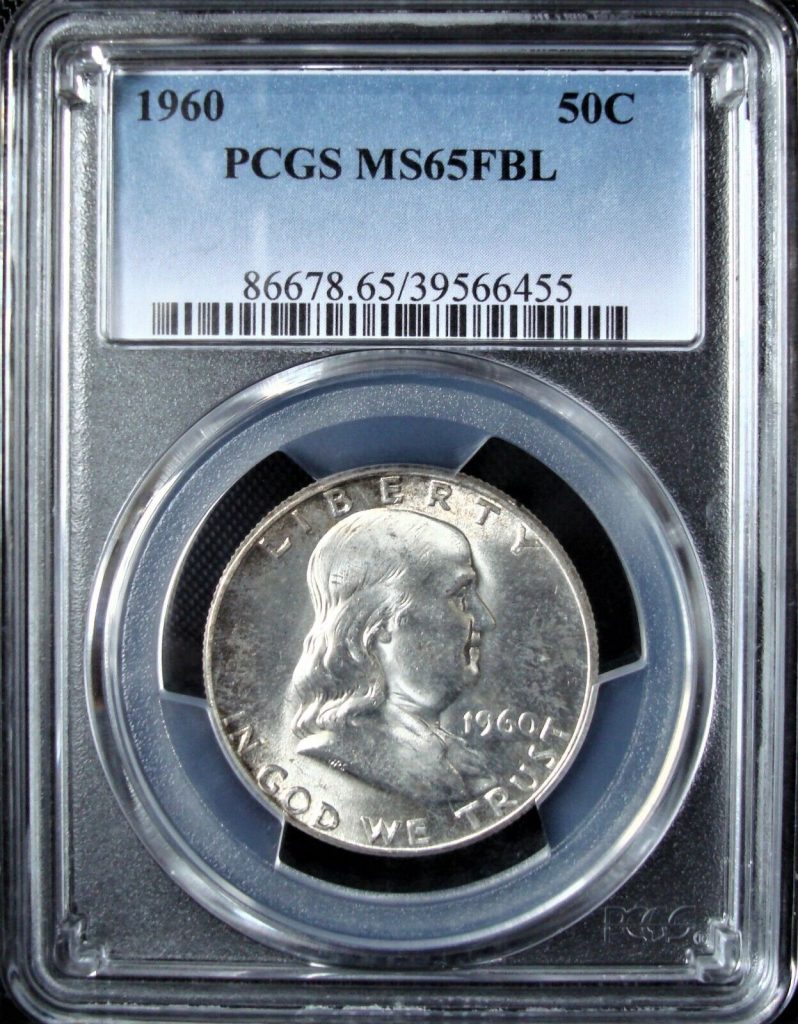
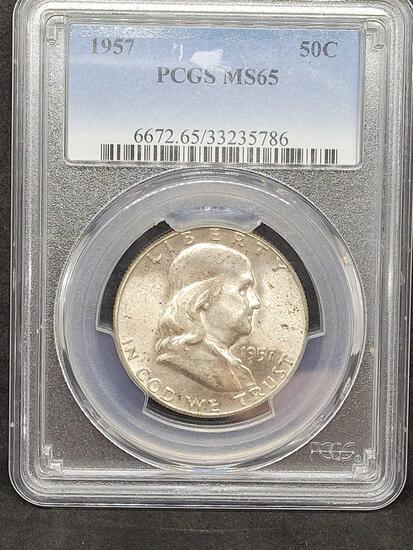
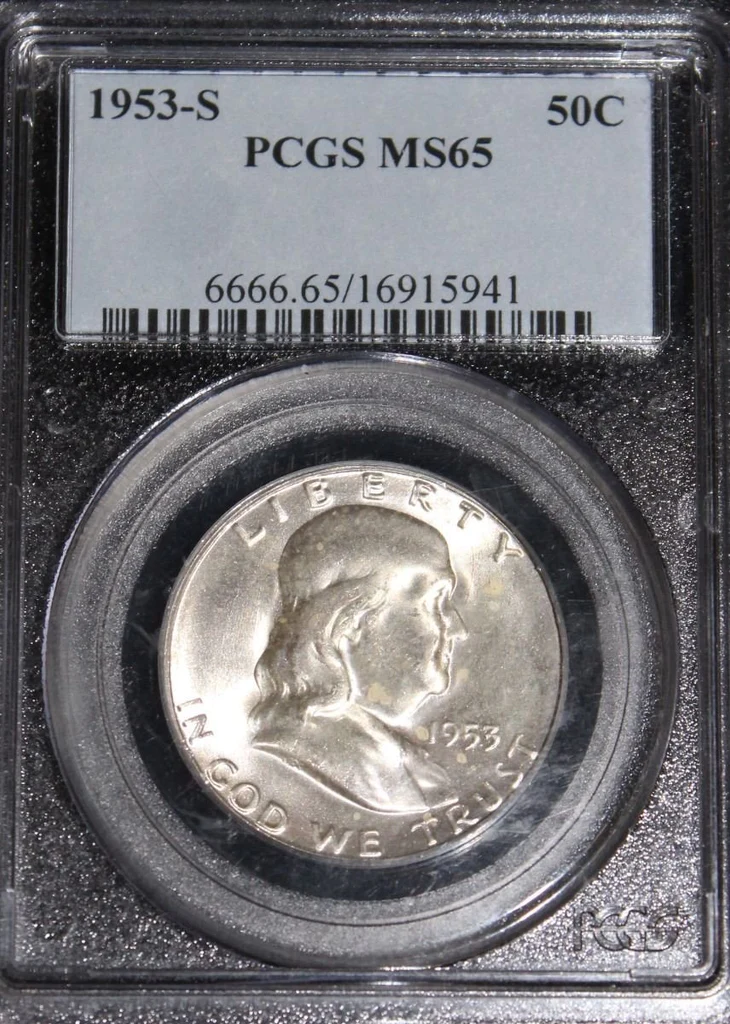
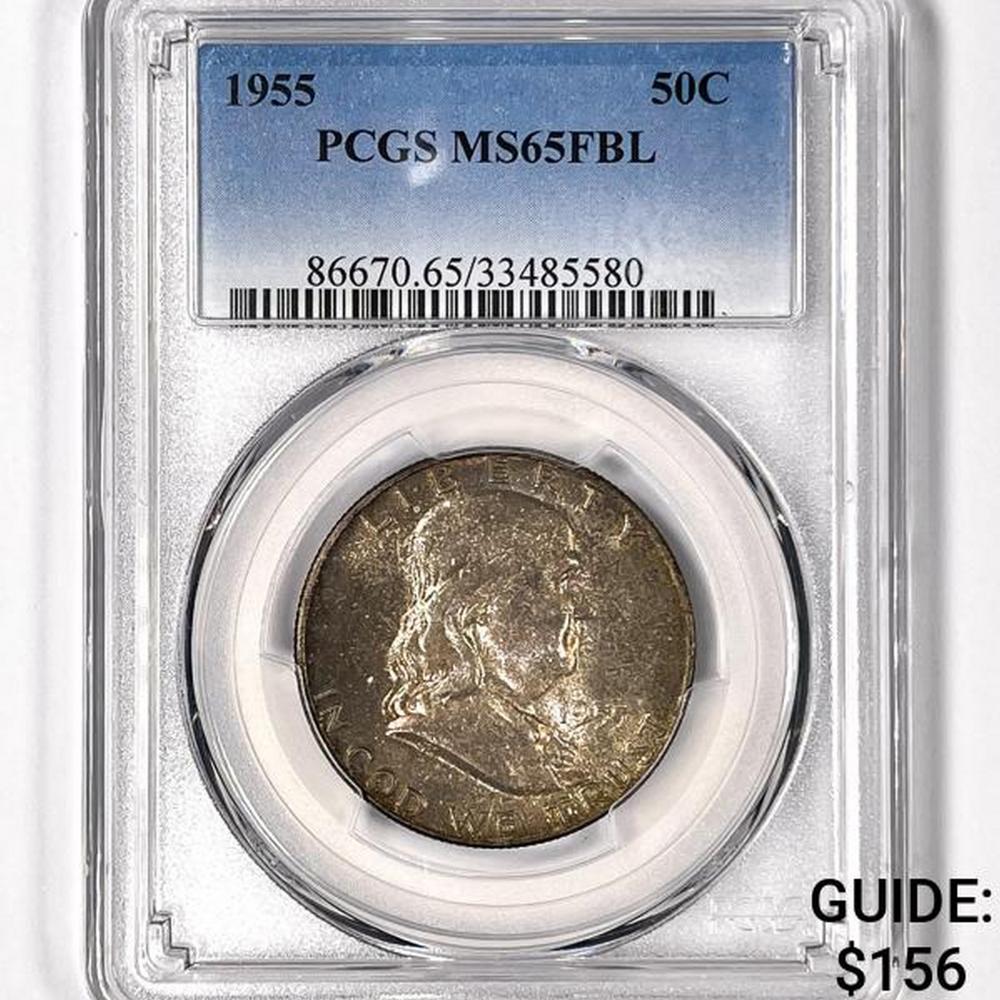
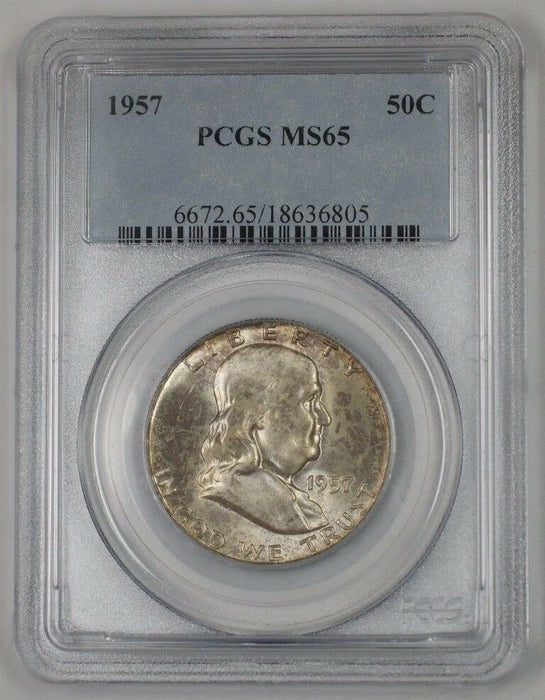
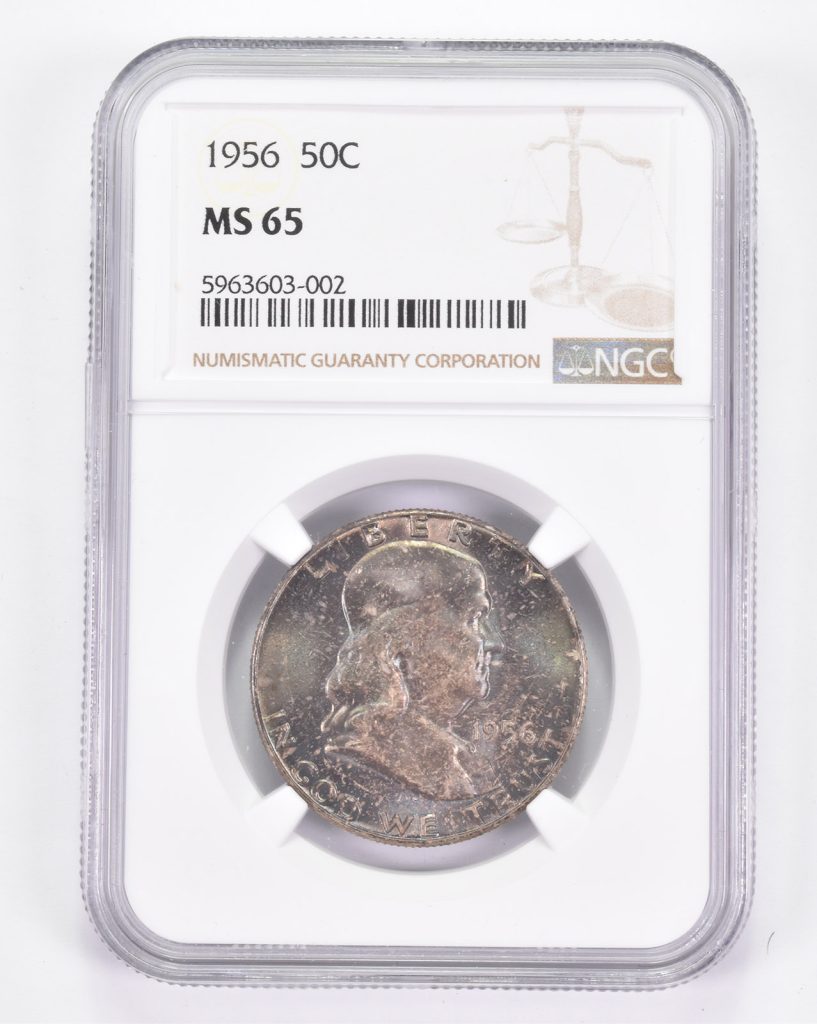
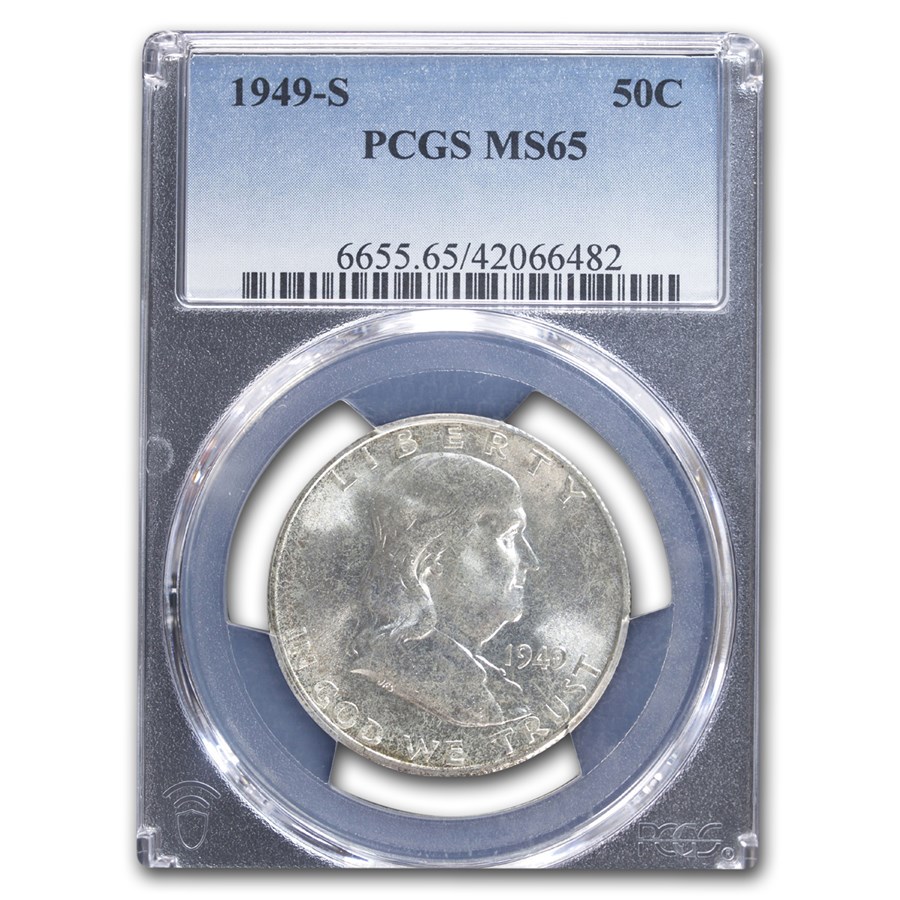
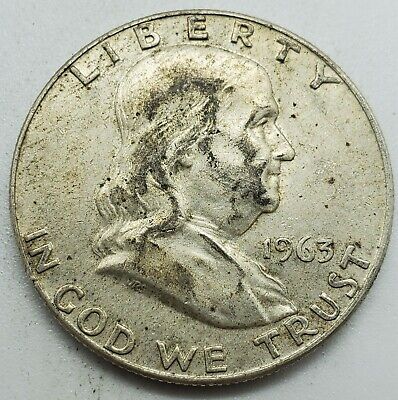
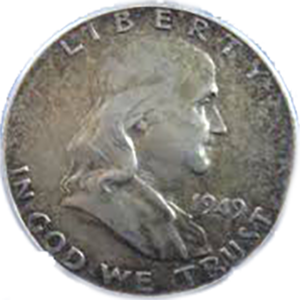
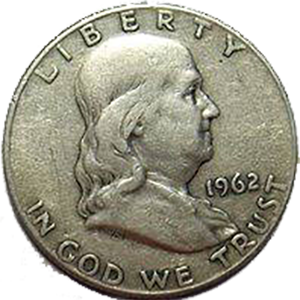
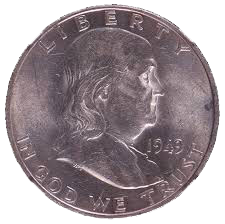
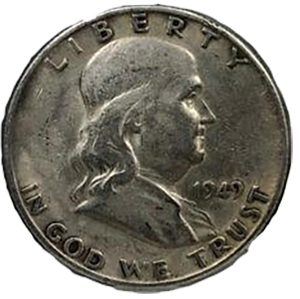
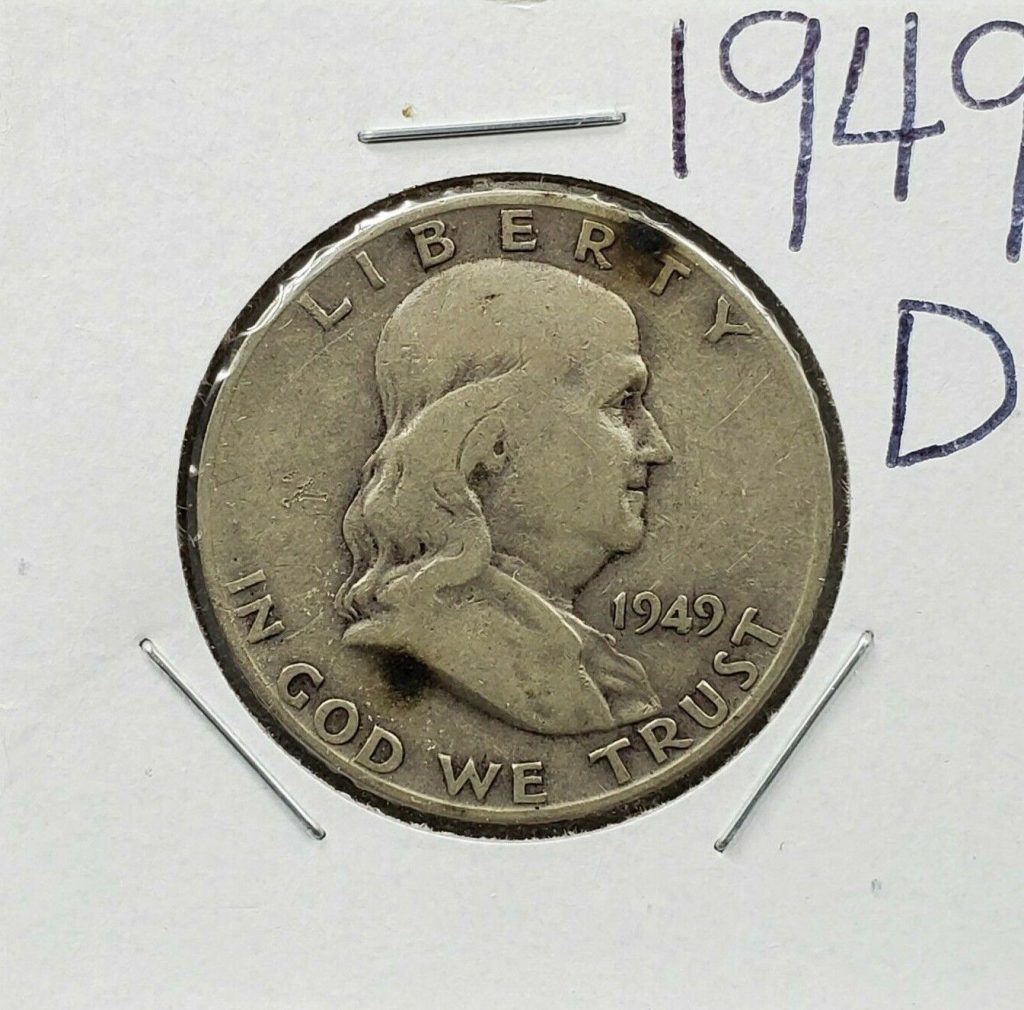
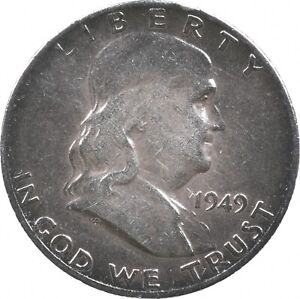
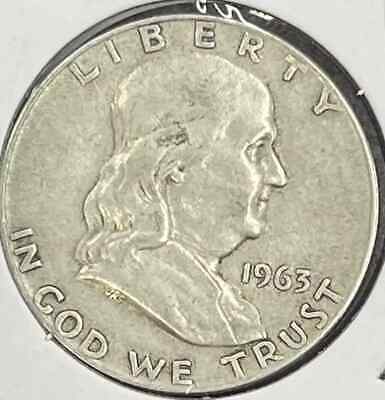
American numismatics uses the 70-point Sheldon scale. The number describes how much of the original design and luster survives, from a heavily circulated coin at the low end to a flawless Mint State piece at 70.
Heavily worn from decades in circulation. Major design elements are visible in outline, with the date and mint mark readable.
Moderate, even wear. Letters and devices are clear, and some interior detail survives in the hair and feathers.
Light to moderate wear on the high points, with the majority of the design detail still sharp.
Only slight wear on the highest points of the design. Much of the original detail remains crisp.
Traces of friction on the highest points only. At a glance, often mistaken for a new coin, with most original luster intact.
No wear from circulation. May show contact marks and softer luster from handling in mint bags.
No wear, with fewer and smaller contact marks and attractive luster. A popular collector sweet spot.
Strong luster, sharp strike, and only minor imperfections visible under magnification.
A coin with no post-production imperfections at five-power magnification. Encountered on modern issues.
Independent services such as PCGS, NGC, ANACS, and ICG authenticate a coin, assign a grade, and seal it in a tamper-evident holder with a unique certification number. Together these services have certified tens of millions of coins, and their holders are recognized throughout the hobby. A certified coin carries the assurance that an independent expert has examined it. Raw, uncertified coins carry no independent grade.