A mountain of silver
In 1859, prospectors on the eastern slope of the Sierra Nevada struck the Comstock Lode, the richest deposit of silver ore ever discovered in the United States. Over the following decades, an almost unimaginable river of silver poured out of Nevada, and it created a problem no one had planned for: America suddenly had far more silver than it knew what to do with.
Mining interests pressed Washington for a solution, and in February 1878 Congress delivered one. The Bland–Allison Act, passed over President Rutherford B. Hayes' veto, required the U.S. Treasury to purchase millions of dollars' worth of silver every month and strike it into silver dollars. The Mint needed a brand-new design, and it needed one immediately.
The Englishman and the schoolteacher
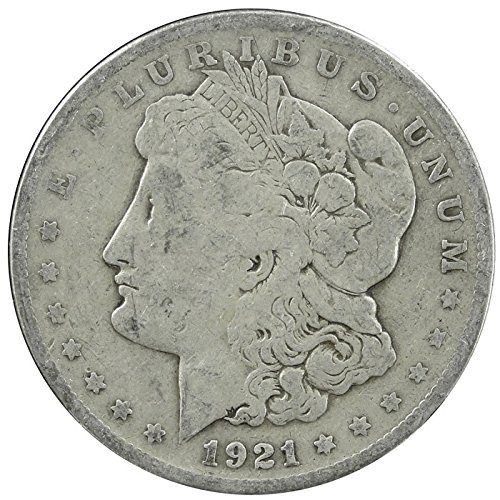
The design fell to George T. Morgan, a young engraver recruited from England's Royal Mint just two years earlier. Rather than repeat the stylized Liberty figures of earlier coinage, Morgan wanted a distinctly American face. Tradition holds that he found it in Anna Willess Williams, a Philadelphia schoolteacher who reluctantly agreed to sit for him. Her profile, crowned with a Phrygian cap, wheat, and cotton, became one of the most reproduced portraits in American history.
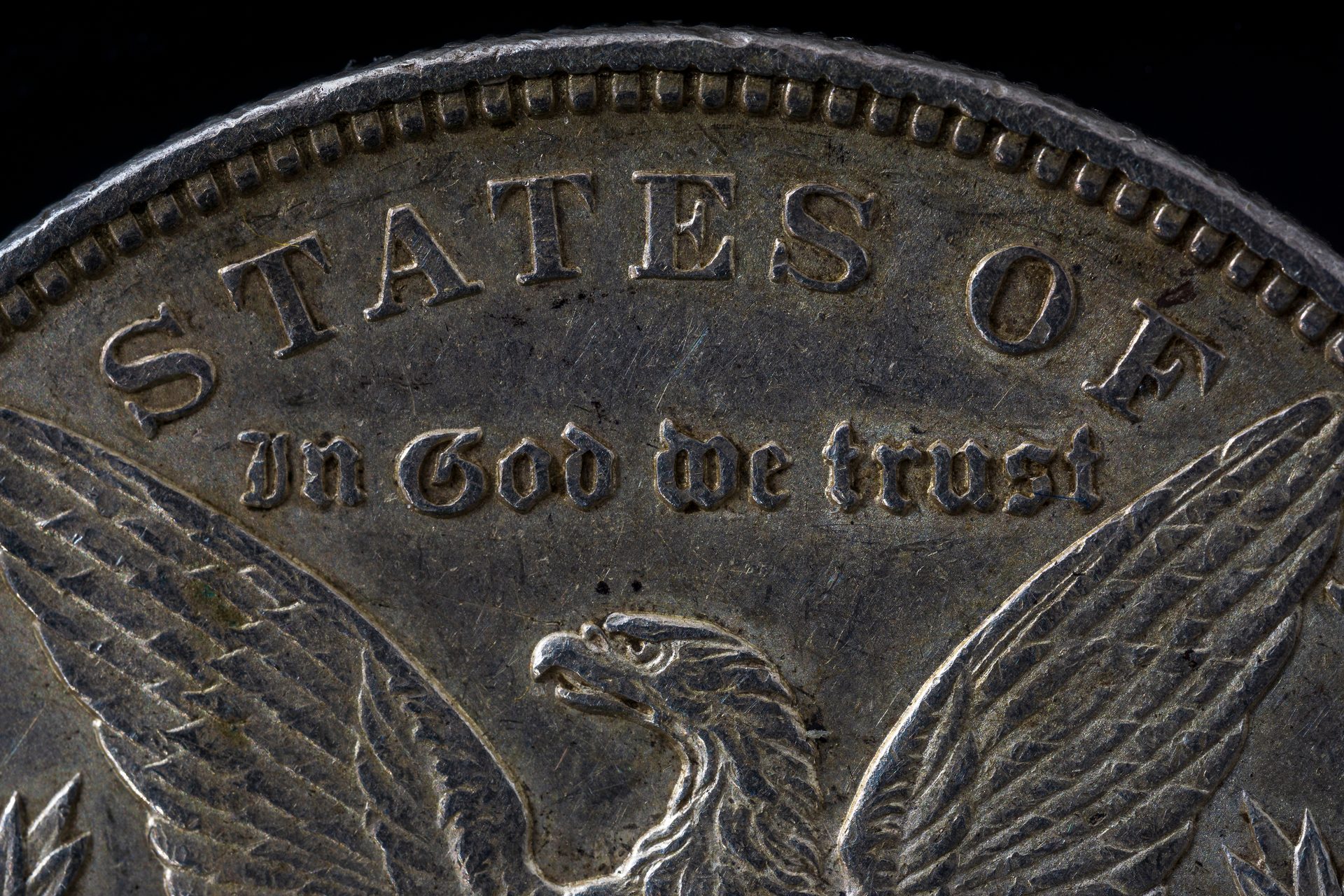
The reverse carries a heraldic eagle with wings spread wide, clutching arrows and an olive branch. Early strikes showed an eagle with eight tail feathers; the Mint quickly corrected it to the heraldically proper seven, creating one of the series' first collectible varieties within weeks of launch.
Five mints, one legend
Morgan Dollars were struck at five facilities, and each left its mark, literally, on the reverse beneath the eagle. Philadelphia coins carry no mint mark. New Orleans struck the "O," San Francisco the "S," and Denver the "D" for a single year, 1921. But it is the fifth mint that collectors speak of in a different tone entirely: Carson City, Nevada, whose small "CC" mint mark was stamped just miles from the Comstock ore that filled its coining presses.
Carson City struck Morgans in comparatively tiny numbers, and the frontier romance of the "CC" mark has made these coins some of the most sought-after issues in all of American numismatics.
In the 1960s, the Treasury discovered millions of uncirculated silver dollars, heavily weighted toward Carson City issues, still sitting in government vaults. Between 1972 and 1980, the General Services Administration sold them to the public in now-famous black display holders. Original "GSA Hoard" Morgans in their government cases remain a prized find among collectors today.
The great melting
For all the hundreds of millions struck, the Morgan Dollar's story is equally a story of destruction. The Pittman Act of 1918 sent roughly 270 million silver dollars, nearly half of everything minted, into the melting pot, largely to support Britain's wartime silver needs. Countless dates and mint marks that were common on paper became genuinely scarce in reality, and no records were kept of exactly which coins were destroyed.
The series returned for one final bow in 1921, struck in enormous numbers at Philadelphia, Denver, and San Francisco, before yielding its place to a new design commemorating the end of the Great War: the Peace Dollar.
Kings of the series
Every long-running series has its trophies. Among Morgans, collectors speak of the 1893-S, the lowest-mintage circulation issue; the 1889-CC, the rarest of the Carson City dates; and above all the fabled 1895 Philadelphia issue, known to collectors as the "King of the Morgan Dollars," which today is known almost exclusively from proof strikes. Owning any of them places a collector in rare company.
Yet part of the Morgan's magic is that it welcomes everyone. Common dates in beautiful condition survive by the millions, which means a first-time collector can hold the very same design, the same silver, the same piece of the American West, as the most advanced numismatist in the country.